Top 10 Benefits of Using Electric DC Motors for Your Business?
Electric DC motors have transformed various industries, providing exceptional performance and efficiency. According to a report by Grand View Research, the global electric motor market is projected to reach $150 billion by 2027. This highlights the growing reliance on electric DC motors for commercial applications. They are not only energy-efficient but also easy to control, making them ideal for a variety of business needs.
In manufacturing, electric DC motors enable precise speed control and torque generation. This precision can lead to improved product quality and reduced waste in production processes. A report from International Energy Agency suggests that optimized motor systems can enhance energy efficiency by 20% to 30%. This results in significant cost savings for businesses over time.
Despite these advantages, some companies still hesitate to adopt electric DC motors. Concerns about initial costs and maintenance may be valid. However, the long-term benefits often outweigh these initial hesitations. Understanding these motors' capabilities can empower businesses to make informed decisions, ensuring they stay competitive in a rapidly evolving market.
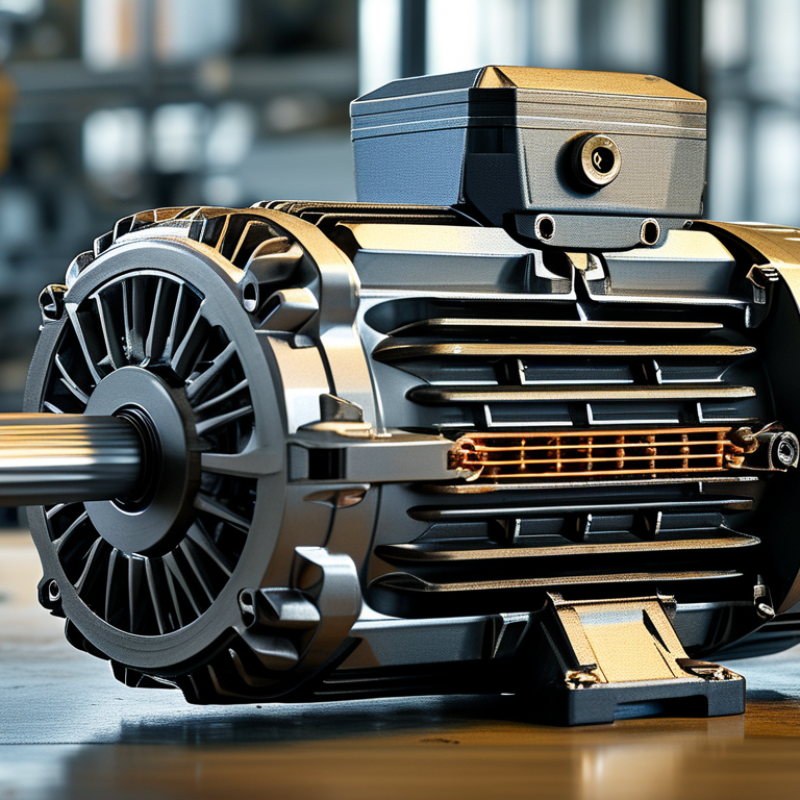
Advantages of Electric DC Motors Over AC Motors in Industrial Applications
Electric DC motors are becoming increasingly popular in industrial applications for several compelling reasons. One major advantage is their superior speed control. DC motors can easily adjust their speed, providing precise control for various tasks. This flexibility is essential for industries requiring variations in performance, such as textile manufacturing or conveyor systems. Also, these motors can reach high torque levels even at low speeds, making them ideal for heavy-duty applications.
Another significant benefit is efficiency. Electric DC motors generally consume less power compared to AC motors in similar tasks. They convert electrical energy into mechanical energy more effectively. This leads to lower energy costs, which can be crucial for businesses aiming to reduce operational expenses. Furthermore, maintenance tends to be simpler with DC motors. They often have fewer moving parts and can operate with less friction. However, while they offer many benefits, they can also have design limitations that some industries may find problematic.
Potential drawbacks include the need for more complex control systems. While speed regulation is easier, integrating DC motors into existing systems can sometimes require extensive modifications. Furthermore, long-term reliability may be influenced by factors like temperature and load. Businesses should weigh the pros and cons carefully before making a switch.
Energy Efficiency of Electric DC Motors: Statistics and Insights
Electric DC motors stand out for their energy efficiency, making them an excellent choice for many businesses. Statistics show that these motors can convert up to 90% of electrical energy into mechanical energy. This high efficiency helps to reduce operating costs significantly. In industries where electricity prices are rising, the savings on energy bills can be substantial. The ability to operate at variable speeds also enables better control over energy consumption.
Beyond just energy savings, electric DC motors produce less waste heat compared to their counterparts. This feature translates to lower cooling requirements and contributes to overall operational efficiency. In a sustainable business environment, this reduction in energy use plays a crucial role. It's essential to consider the long-term environmental impact of motor choices. Businesses should reflect on how electric DC motors can improve their sustainability goals.
However, it's worth noting that some applications may require specific types of motors to perform optimally. Not every situation favors the usage of DC motors, leading to potential inefficiencies in those cases. Evaluating the complete operational context is vital. Careful analysis can help ensure the right motor type is selected for the desired outcome. Understanding these nuances is crucial for making informed decisions in energy management.
Longevity and Maintenance Benefits of Electric DC Motors in Business Use
Electric DC motors are increasingly favored in various business applications due to their longevity and low maintenance requirements. Research shows that these motors can last up to 20 years with minimal upkeep. This longevity results from their simple construction and fewer moving parts compared to AC motors. Additionally, they operate at lower temperatures, which reduces the wear and tear on their components.
Maintenance is a crucial factor for businesses aiming to minimize downtime. According to industry reports, businesses can reduce maintenance costs by approximately 30% when switching to electric DC motors. These motors do not require frequent lubrication and have self-commutating capabilities that decrease the need for regular inspections. This leads to a more efficient operation, saving both time and resources.
While DC motors offer many advantages, they are not without challenges. They can be sensitive to electrical noise, which may require additional filtering measures. Also, businesses must consider their initial investment. Although the upfront costs can be higher, the long-term benefits usually outweigh these concerns. Exploring these factors is essential for companies looking to optimize their operations with electric DC motors.
Cost-Effectiveness: Analyzing the Economic Impact of Electric DC Motors
Electric DC motors offer significant cost-effectiveness for businesses. They are efficient in energy usage, leading to reduced electricity bills. This efficiency translates into lower operational costs over time. Additionally, their longevity minimizes the frequency of replacements, further enhancing economic benefits. Businesses can allocate those savings towards growth initiatives or new projects, making the investment in DC motors even more appealing.
When considering DC motors, pay attention to the specific requirements of your applications. Look for models that fit your power needs without overstretching your budget. It's crucial to analyze the total cost of ownership. This includes initial purchase, maintenance, and energy consumption over time. These aspects can greatly influence your return on investment.
Don’t forget maintenance. A well-maintained motor operates more efficiently, extending its life span. Regular checks can prevent costly breakdowns, which can disrupt operations. Investing in training for your team could also enhance their ability to identify and address issues early. Thinking long-term about these factors can lead to smarter financial decisions.
Top 10 Benefits of Using Electric DC Motors for Your Business
| Benefit | Description | Economic Impact |
| Cost Efficiency | Lower operational costs due to reduced energy consumption. | Up to 30% savings on energy bills. |
| Maintenance Savings | Less wear and tear results in lower maintenance costs. | Reduction of up to 20% in maintenance expenses. |
| Versatility | Suitable for various applications and industries. | Increases potential market share. |
| High Efficiency | Improved energy conversion and performance. | Potentially up to 95% efficiency. |
| Compact Design | Space-saving design suitable for small setups. | Maximizes utility of workspace. |
| Silent Operation | Minimal noise level during operation. | Better working environment, enhancing productivity. |
| Environmentally Friendly | Lower emissions compared to combustion engines. | Potential for tax incentives for green technologies. |
| Quick Startup | Fast response times and acceleration. | Increased productivity and efficiency in operations. |
| Customization | Easily adjustable to specific needs of various tasks. | Allows businesses to cater to unique client demands. |
| Reduced Risk | Fewer safety hazards compared to other motor types. | Lower insurance costs due to diminished risk factors. |
Applications of Electric DC Motors Across Various Industries and Their Benefits
Electric DC motors have gained significant traction across various industries due to their efficiency and versatility. They're used in manufacturing, automotive, and robotics. According to a report by Grand View Research, the global DC motor market is expected to reach USD 31.9 billion by 2027, driven by the rising demand for automation and smart technologies.
In manufacturing, electric DC motors are vital for precision control. For example, in conveyor systems, they ensure smooth operation. The automotive sector increasingly relies on these motors for electric vehicles. A study published in the International Journal of Electric and Hybrid Vehicles noted that electric DC motors contribute to enhancing the vehicle's energy efficiency by up to 25%. They provide instant torque and excellent speed control, proving invaluable in dynamic driving conditions.
Despite their advantages, there are challenges. For instance, the initial costs can be higher than alternatives like AC motors. Additionally, ongoing maintenance is crucial for optimal performance. These factors necessitate a detailed cost-benefit analysis before switching to electric DC motors. Understanding the long-term implications can guide businesses in making informed decisions.