Top 10 Benefits of Using Webbing Slings for Heavy Lifting?
In the heavy lifting industry, safety and efficiency are paramount. Webbing Slings have emerged as a leading solution, offering numerous advantages for various lifting tasks. According to the Occupational Safety and Health Administration (OSHA), improper lifting methods can lead to injuries resulting in over $1 billion annually in workers' compensation costs in the United States. This highlights the importance of using reliable equipment, such as webbing slings.
Webbing slings are made from durable synthetic fibers, making them lightweight yet strong. They provide a secure lifting option with a high load capacity, reducing the risk of accidents. Research indicates that using webbing slings can increase lifting speed by up to 30%. Their flexibility allows them to conform to different shapes, providing a stable grip on the load. However, the choice of materials and the correct usage are vital for maximizing their potential.
While webbing slings are advantageous, poor maintenance can compromise their integrity. Inspecting slings regularly can prevent failures during operations. They are an effective option for lifting heavy loads, yet awareness of their limitations is essential. By understanding both their benefits and drawbacks, companies can enhance safety and efficiency in heavy lifting operations.
Advantages of Webbing Slings Compared to Traditional Lifting Gear
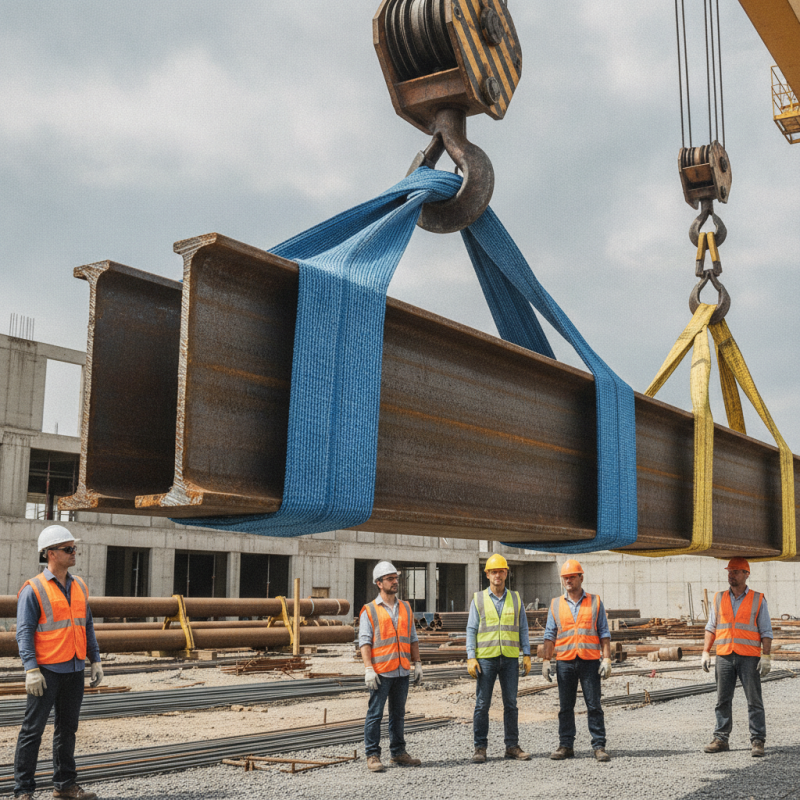
Webbing slings have become increasingly popular for heavy lifting tasks. They offer several advantages over traditional lifting gear, such as chains or wire ropes. One significant benefit is their lightweight nature. This makes them easier to handle and transport. Workers can manage them without excessive strain.
Moreover, webbing slings are less likely to cause damage. Unlike metal chains, they do not scratch or dent surfaces. This characteristic is essential in industries like construction and manufacturing, where preserving the integrity of goods is crucial. Additionally, webbing slings are quite versatile. They can adapt to various load shapes and sizes more effectively than rigid lifting tools.
However, some users may overlook the importance of proper inspection. Webbing slings can suffer wear and tear, especially when used frequently. It’s vital to check them regularly for any signs of damage. Also, some may underestimate their load capacity. Each sling has a specific rating, and exceeding it can lead to accidents. This discrepancy highlights the need for awareness and training. Balancing the benefits with the necessary precautions is essential for safe operations.
Enhanced Load Distribution Using Webbing Slings for Heavy Items
Webbing slings are becoming increasingly popular in the heavy lifting industry. Their ability to enhance load distribution makes them particularly effective for heavy items. When lifting loads, improper distribution can lead to accidents and equipment failure. Studies indicate that a sling's design allows for a better spread of weight compared to traditional lifting methods. This feature minimizes the risk of damage to both the load and surrounding environment.
Research from the National Institute for Occupational Safety and Health shows that evenly distributed loads reduce the chances of injury by approximately 30%. Webbing slings can wrap around irregularly shaped objects, ensuring a secure hold. They are made from high-strength materials, which can handle substantial weights with minimal deformation. This ensures enhanced reliability during high-stress operations.
In some cases, however, users may underestimate the importance of inspecting slings before use. Regular checks can identify wear and tear that can compromise safety. While webbing slings have many advantages, awareness of their limits is crucial. Selecting the right type of sling for specific tasks is essential for maintaining safety standards. Failure to acknowledge these nuances may lead to accidents, highlighting the necessity of ongoing training in lifting techniques and equipment handling.
Durability and Resilience: Long-Term Benefits of Webbing Slings
Webbing slings are becoming a popular choice for heavy lifting due to their durability and resilience. Recent industry reports indicate that these slings can withstand higher loads compared to traditional lifting methods. For example, webbing slings typically have a break strength of up to 40 tons. This capability ensures they remain safe and reliable over time. Their manufacturing material, usually polyester, resists abrasion and minimizes wear, making them suitable for harsh environments.
In addition to their strength, webbing slings offer long-term benefits. These slings are lightweight, easy to handle, and reduce the risk of injuries associated with heavy lifting. According to the Lifting Equipment Engineers Association, the use of webbing slings can decrease accident rates in workplaces by up to 30%. However, they do require proper maintenance and inspection to ensure longevity. Slings that are not regularly checked can deteriorate, leading to potential failures. Failing to address wear and tear can result in dangerous situations.
While webbing slings boast impressive durability, they can still be susceptible to environmental factors. Prolonged exposure to sunlight can weaken the fibers. In cooler temperatures, they can become stiffer, impacting their flexibility. These nuances highlight the importance of understanding the specific conditions under which slings are used. Proper training and knowledge can enhance safety and efficiency when using webbing slings for heavy lifting.
Top 10 Benefits of Using Webbing Slings for Heavy Lifting
The chart above illustrates the top benefits of using webbing slings for heavy lifting, rated on a scale from 1 to 10. Each benefit demonstrates the significant advantages that webbing slings offer in various applications, highlighting their importance in lifting operations.
Safety Features of Webbing Slings in Heavy Lifting Operations
Webbing slings are essential tools in heavy lifting operations. They offer multiple safety features that enhance both effectiveness and security. One prominent aspect is their high tensile strength combined with a lightweight design. This allows for easy handling while ensuring that they can lift heavy loads without risk of failure.
Another critical safety feature is their flexibility. Webbing slings can easily conform to the shape of the load, which helps distribute weight evenly. This reduces the risk of slippage or imbalance during lifts. Additionally, they come equipped with protective sleeves that help prevent abrasion and cuts, significantly increasing their longevity.
Tips for using webbing slings effectively include inspecting them regularly for signs of wear. Look for frays or discoloration that might indicate damage. Always ensure that the sling is rated for the load it will carry. Misjudging weight can lead to failures, which present serious risks.
When storing webbing slings, avoid prolonged exposure to sunlight or harsh chemicals. The fabric can degrade over time, compromising its safety features. Remember, understanding how to use these slings correctly is just as crucial as their design. Regular training and awareness can prevent accidents on the job site.
Top 10 Benefits of Using Webbing Slings for Heavy Lifting
| Benefit | Description |
| Lightweight | Webbing slings are lightweight, making them easy to handle and transport. |
| Strength | They can lift heavy loads with high tensile strength, suitable for various lifting tasks. |
| Flexibility | Webbing slings can be easily maneuvered around objects, providing flexibility in lifting. |
| Durability | Made from high-quality materials, they are resistant to wear and tear. |
| Safety | Features like color-coded safety indicators enhance safety in heavy lifting operations. |
| Low Cost | Webbing slings are generally more cost-effective compared to other lifting solutions. |
| Versatility | Suitable for a wide range of applications and loads in different industries. |
| Chemical Resistance | Certain types can withstand exposure to chemicals, making them suitable for various environments. |
| Ease of Inspection | Easy to visually inspect for wear and damage, ensuring safe operation. |
Versatility of Webbing Slings for Various Lifting Applications
Webbing slings offer remarkable versatility for heavy lifting tasks. These slings are fabricated from strong, flexible webbing materials, making them ideal for various lifting applications such as construction, manufacturing, and warehouse operations. Users can handle different weights and shapes with minimal risk of damage. Their design allows for easy handling, which increases efficiency on job sites.
One distinct advantage of webbing slings is their adaptability. They can be used in both vertical and horizontal lifts. This flexibility means they can secure loads ranging from machinery to delicate items like glass. Many industries benefit from this feature, yet some users may overlook the need to match sling strength with load capacity. This oversight can lead to accidents or equipment damage. Proper training is essential to maximize the strengths of these slings. Yet, even experienced users may sometimes misuse slings due to oversight or fatigue. Awareness and continuous education are key to ensuring safety.