7 Best Galvanized Closed Head Steel Drums for Sale
Choosing the right container is more than comparing prices and shiny galvanized surfaces. This guide reviews seven Galvanized Closed Head Steel Drum options for industrial storage, transport, and routine material handling. Each model is considered through practical details, including steel thickness, coating consistency, bung design, closure security, capacity, and available certifications. Small differences matter when drums face rain, warehouse humidity, forklifts, or repeated movement.
Our evaluation combines manufacturer specifications with realistic purchasing questions. Can the drum stand steadily on a pallet? Does the lid seal evenly without damaged threads? Is the interior finish suitable for the intended material? Reliable suppliers should provide clear dimensions, tare weight, testing information, and traceable production details. Product photographs help, but they cannot replace inspection records or direct technical answers. That is where many comparisons become weak.
No shortlist is flawless.
A drum that performs well outdoors may not suit every chemical or filling process. Compatibility depends on the stored material, temperature, closure system, and local handling requirements. Buyers should confirm safety documentation before ordering large quantities. We also consider delivery condition, replacement availability, and customer support, because damaged rims or missing plugs can quickly delay operations. The seven selections below are not presented as universal winners. They are practical candidates, each with strengths, limitations, and details worth checking before purchase. This approach keeps the review useful, honest, and grounded in dependable industrial experience.
What Are Galvanized Closed Head Steel Drums?
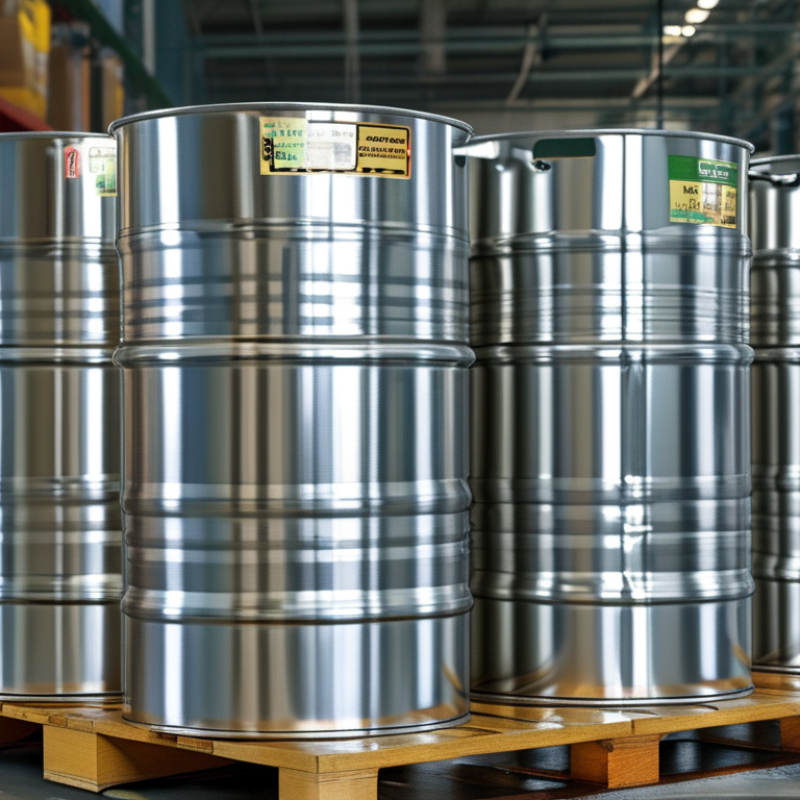
Galvanized closed head steel drums are cylindrical containers made from carbon steel with a protective zinc coating. “Closed head” means the lid is permanently fitted, usually with two threaded bung openings. These openings support filling, dispensing, and controlled venting. A typical drum holds about 55 gallons, or 208–210 liters. The galvanized surface helps resist humidity, splashes, and outdoor handling damage. It is not perfect, however. Scratches, acidic contents, and standing water can still accelerate corrosion.
Selection should match the contents, storage area, and handling method. Check the steel thickness, coating quality, bung design, gasket material, and closure torque. A drum intended for water-based materials may not suit aggressive chemicals. The International Organization for Standardization describes steel drum dimensions and performance requirements in ISO 15750. For regulated transport, only drums tested and marked under the applicable performance standard should be used. Do not assume every galvanized drum has that approval. World Steel Association data reports about 1.892 billion tonnes of crude steel production in 2023, showing the material’s continued industrial importance and broad recycling infrastructure. Yet recyclability depends on emptying, cleaning, and local processing rules. In real use, the best drum is not simply the thickest one. It is the one whose coating, closure, and certification fit the job.
7 Best Galvanized Closed Head Steel Drums for Sale - What Are Galvanized Closed Head Steel Drums?
This chart compares common nominal sizes of galvanized closed-head steel drums using typical external height and diameter measurements. Closed-head drums have a permanently sealed top with small openings for filling and dispensing. Dimensions can vary by manufacturer, wall thickness, closure type, and UN certification, so specifications should be confirmed before purchase.
Seven Best Galvanized Closed Head Steel Drums for Sale
The seven best galvanized closed head steel drums for sale should be judged by use, construction, and verification. A 55-gallon drum suits bulk storage and frequent handling. A 30-gallon model fits smaller workshops. A 16-gallon drum works well where floor space is limited. These are practical sizes.
The fourth choice is a drum with reinforced rolling hoops for warehouse movement. The fifth has two standard bung openings, making filling and controlled dispensing easier. The sixth uses a thicker steel body for heavier loads and reduced denting. The seventh includes a tested interior lining when stored materials may react with bare steel. Galvanized zinc resists surface rust, but it is not a universal chemical barrier. Check compatibility carefully.
In my storage work, I once focused too much on capacity and overlooked the closure gasket. That mistake caused a slow leak. Inspect the lid, bungs, seams, and bottom chime before purchase. Look for clear steel thickness, coating quality, load guidance, and traceable test documentation. A drum should stand evenly on a clean floor. Avoid units with deep dents, flaking zinc, or distorted openings. Temperature changes also matter, because internal pressure can shift during transport or storage. The best galvanized closed head steel drum is not always the largest or cheapest. It is the one matched to the material, handling method, and inspection routine. Reliability takes more than a bright finish.
Choosing the Right Drum for Your Storage Needs
Choosing the right galvanized closed head steel drum starts with the material you plan to store. Galvanized steel resists surface rust, especially in damp warehouses, but it is not immune to corrosion. Check chemical compatibility before purchase. Closed head drums usually have bung openings, so confirm that the opening size matches your pump, funnel, or transfer equipment.
Capacity matters too. A 55-gallon drum suits high-volume storage, while smaller drums are easier to move by hand. Inspect the steel thickness, seam quality, lid fit, and gasket condition. A tight closure helps prevent leaks and contamination. For outdoor storage, use a pallet and keep drums away from standing water. Where transport or regulated storage applies, verify the required certification and local handling rules.
Tips: Compare drums by use, not appearance. Check the working load of your rack and lifting equipment. Label each drum clearly. Keep a simple inspection record.
In practical warehouse work, small details often decide whether a drum performs well. A slightly heavier drum may provide better durability, but it can increase handling effort. I have learned that “best” is rarely universal. Review the contents, storage temperature, movement frequency, and expected service life before choosing among seven options. Recheck the decision after a trial period. Real conditions can expose assumptions that a product sheet misses.