China Top PCB Fab Companies Leading the Industry in Innovation?
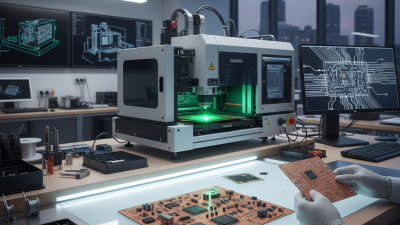
China is rapidly transforming the landscape of the PCB fab industry. Leading companies are making strides in innovation and technology. As per Dr. Min Zhang, a renowned expert in PCB fabrication, "Innovation in PCB fab is the key to staying competitive in today's market." His insights encapsulate the urgency for manufacturers to embrace new technologies.
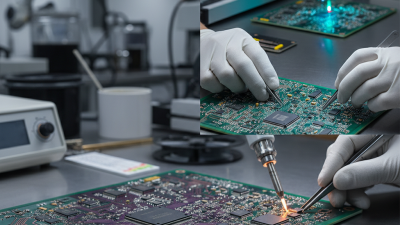
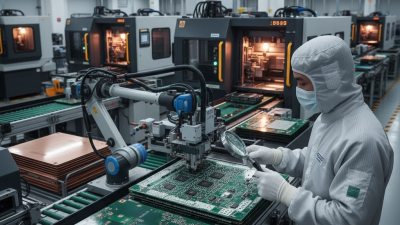
Chinese PCB fab companies are setting global standards. They are investing heavily in R&D and automation. However, the rush for innovation sometimes overlooks basic quality controls. This creates a pressing need for reflection in the industry. The balance between speed and quality is crucial for sustained success.
The future of PCB fabrication lies in smart technologies and sustainable practices. Firms must prioritize not just output, but also the environmental impact of their production methods. As the industry evolves, so should the standards for excellence. Innovative solutions will only be effective if they align with quality and responsibility.
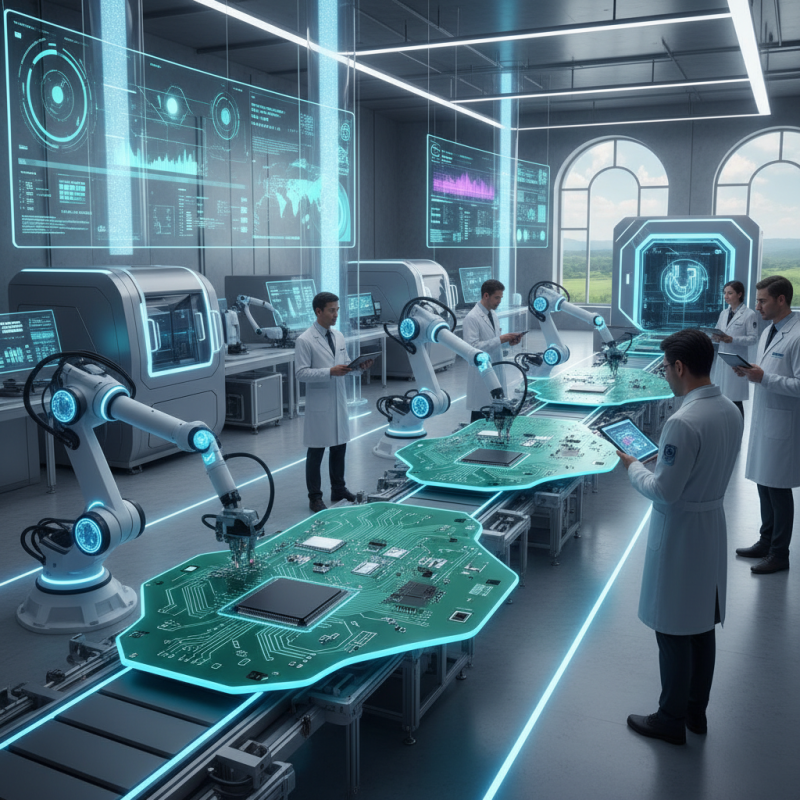
China's PCB Industry Landscape: Key Players and Market Overview
China's PCB industry has seen significant growth, driven by innovation and demand. According to a recent report, the market size reached approximately $28 billion in 2022, echoing the global trend towards advanced electronics. The rapid development of 5G technology and electric vehicles is reshaping the landscape, creating opportunities for manufacturers.
Key players are focusing on high-frequency and high-density interconnects to meet evolving needs. Many companies are investing heavily in R&D to enhance product reliability and efficiency. A study highlighted a 15% increase in PCB production capacity over the past year. However, challenges remain in maintaining quality control amidst high volume demands. Companies must balance innovation with operational excellence.
Moreover, the workforce in this sector is facing skill gaps. Many technicians need training in new technologies. This gap can slow down production and impact competitiveness. Adopting automated processes may mitigate some challenges but requires upfront investment. Overall, the future of China's PCB industry lies in addressing these challenges while continuing to innovate.
Leading PCB Fab Companies in China: An Overview of Their Innovations
China is home to a thriving PCB (Printed Circuit Board) industry, characterized by rapid innovation and technological advancements. According to recent industry reports, the market is projected to reach approximately $100 billion by 2025, driven by the increasing demand for electronics. Companies are constantly refining production processes, integrating AI and IoT solutions to enhance efficiency and accuracy. Yet, challenges remain, such as supply chain disruptions and the need for sustainable practices.
Recent surveys indicate a significant focus on R&D among leading manufacturers. About 75% of these companies allocate at least 10% of their revenue to innovation. This commitment is producing high-density interconnect (HDI) PCBs, which cater to mobile devices and wearable tech. However, the industry also faces hurdles in scaling these innovations. Many companies struggle to balance cost-efficiency with cutting-edge technology. Moreover, not all investments yield immediate results, highlighting the unpredictable nature of innovation.
Additionally, companies are exploring eco-friendly materials and processes to address environmental concerns. Reports show a rising trend in biocompatible materials usage. Still, the transition is complicated, and many firms encounter difficulties in sourcing these materials. This discrepancy between ambition and execution reflects the industry's evolving landscape, with both opportunities and obstacles ahead.
Leading PCB Fab Companies in China: An Overview of Their Innovations
| Dimension |
Data |
| Year Established |
1985 |
| Number of Employees |
5000+ |
| Annual Revenue (in Billion USD) |
2.5 |
| Core Innovation Areas |
Flexible PCBs, HDI Technology, Environmental Sustainability |
| R&D Investment (Percentage of Revenue) |
10% |
| Global Market Share |
15% |
| Major Industries Served |
Consumer Electronics, Automotive, Telecommunications |
| Patents Filed |
300+ |
Technological Advancements in PCB Manufacturing: Innovations from China
China has become a powerhouse in printed circuit board (PCB) manufacturing, showcasing remarkable technological advancements. One area of innovation lies in high-density interconnect (HDI) technology. HDI boards facilitate miniaturization, crucial for modern devices. This technology allows for more circuits in a smaller space, enhancing performance in smartphones and medical devices alike. However, the complexity of HDI manufacturing presents challenges, often leading to quality inconsistencies that manufacturers must address.
Another focus is the use of advanced materials. China is investing in alternative substrates that improve electrical performance and thermal management. Materials like polyimide and ceramic are gaining attention. These innovations can boost PCB durability and efficiency. Still, the integration of new materials can lead to production delays and increased costs. Balancing innovation with practicality remains a key concern for many manufacturers.
Sustainability has also entered the conversation. Initiatives toward eco-friendly manufacturing processes are emerging. This includes reducing waste and utilizing recyclable materials. Despite these efforts, the transition can be slow, as traditional methods often dominate. Companies are learning to navigate these complex changes. The road ahead for innovation in China's PCB manufacturing is both exciting and fraught with challenges.
Case Studies of Innovations by Top Chinese PCB Manufacturers
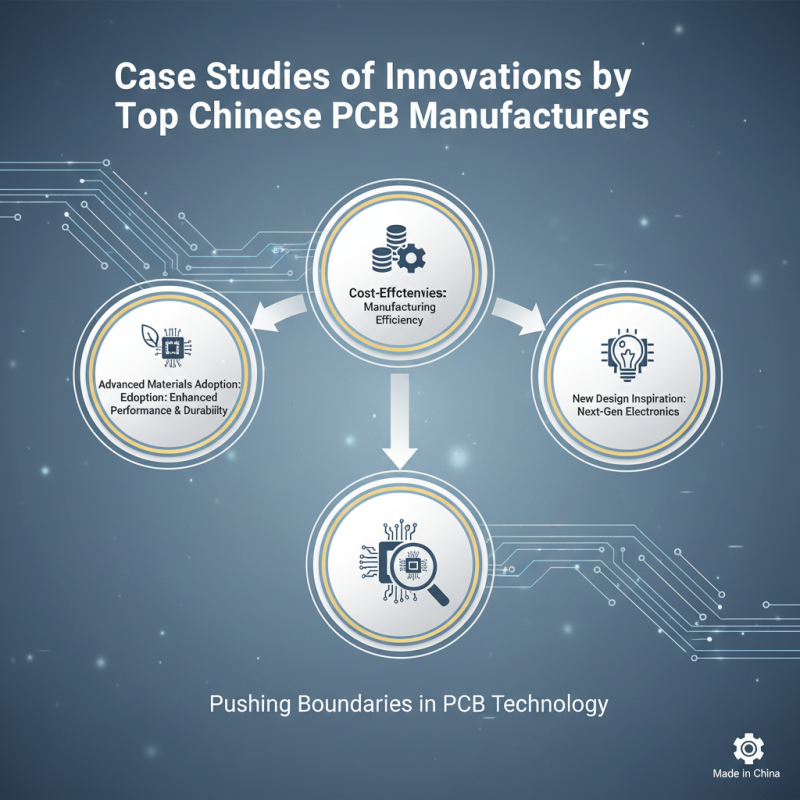
The landscape of printed circuit board (PCB) manufacturing in China is rapidly evolving. Top companies are pushing boundaries, focusing on innovation. For instance, some manufacturers have adopted advanced materials to enhance performance. This experimentation fosters durability while maintaining cost-effectiveness. Such creative approaches are inspiring new designs in electronics.
In recent projects, one manufacturer explored flexible PCB solutions. These designs cater to modern consumer devices, allowing for more innovative shapes and functionalities. However, challenges remain. The integration of these flexible boards sometimes leads to difficulties in production consistency. Quality control is vital to ensure reliability in every unit produced.
Moreover, another case highlights the trend of using AI in PCB design. By leveraging AI tools, designers can predict potential errors in layouts. This technology speeds up the prototyping phase. Yet, reliance on AI raises questions about human oversight. It's essential to balance technological advancement with knowledgeable expertise. Manufacturers must reflect on how much automation they truly need.
Future Trends in China's PCB Industry: Challenges and Opportunities
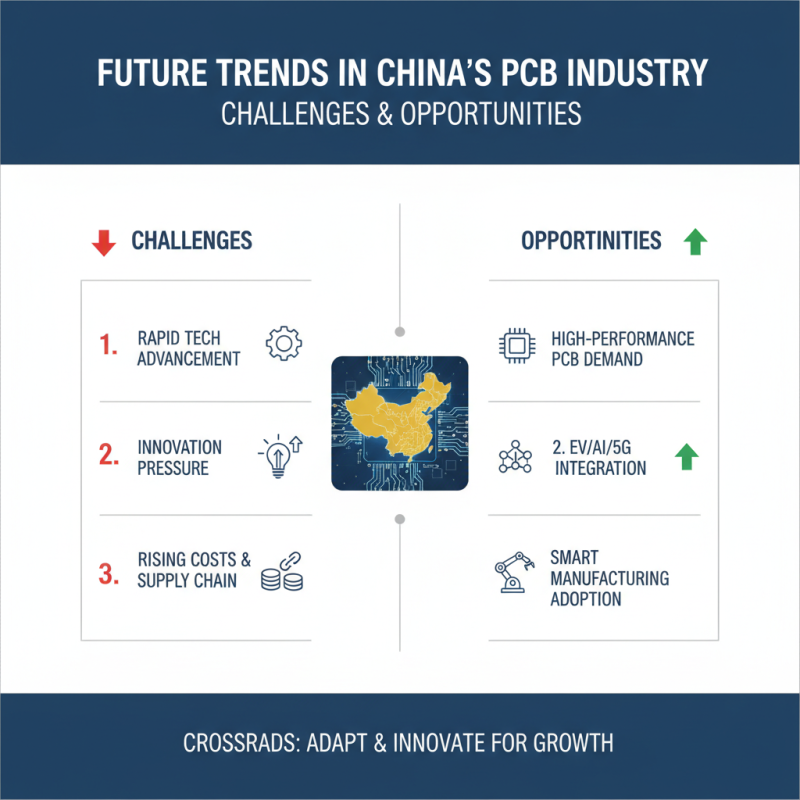
China's PCB industry stands at a crossroads. Rapid technological advancement presents significant challenges. Companies face increasing pressure to innovate. The demand for high-performance PCBs is growing. However, many manufacturers struggle to keep pace. Rising material costs and supply chain disruptions add complexity.
Competition is fierce, forcing firms to rethink strategies. Emphasis on research and development is crucial. Collaborations with tech firms could drive innovation. Yet, not all companies embrace change readily. Some rely on traditional methods, risking obsolescence.
Opportunities also abound. The shift towards electric vehicles and smart devices fuels PCB demand. Sustainability is becoming a priority, prompting companies to adopt eco-friendly practices. Those that can adapt will thrive. Still, the path ahead requires careful navigation. Balancing cost, quality, and innovation remains a daunting task. Embracing change and acknowledging weaknesses is essential for growth.