How to Choose the Best Electric Water Heater for Your Home?
Choosing the right Electric Water Heater can feel overwhelming. With various options available, it’s essential to navigate this choice thoughtfully. Industry expert John Smith, an HVAC specialist with over 15 years of experience, emphasizes, "Selecting an Electric Water Heater is not just about price; it impacts your daily comfort."
Understanding your household's hot water needs is crucial. Factors like the number of users and peak usage times matter significantly. An efficient Electric Water Heater can save energy and reduce bills. However, not all models meet the same standards. Some may fail to deliver adequate hot water or end up consuming more power.
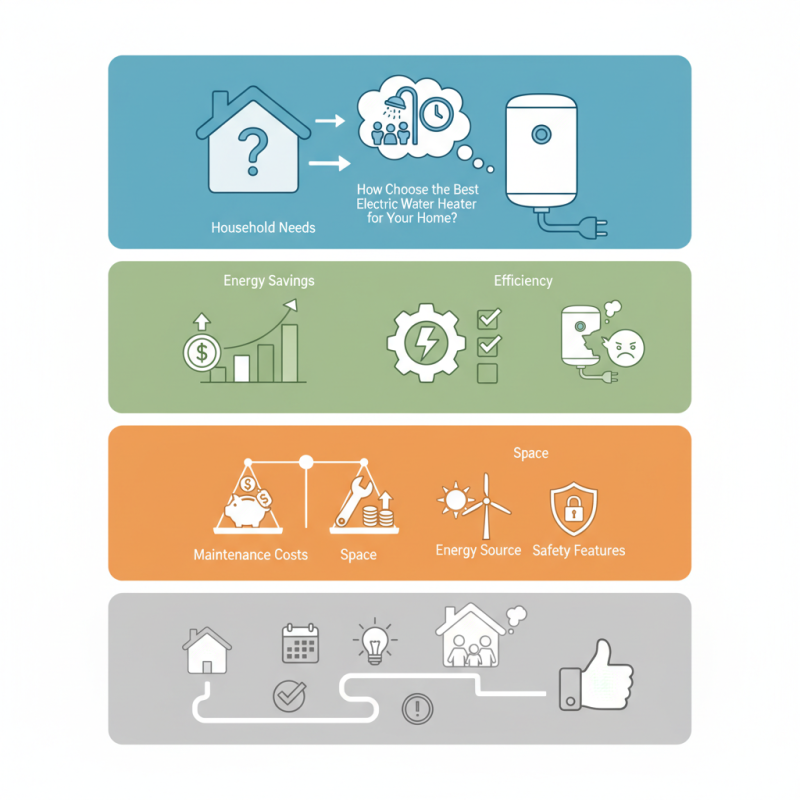
It’s important to consider long-term implications. An inexpensive unit may seem attractive but could lead to higher maintenance costs. Reflect on available spaces, energy sources, and safety features. A wise choice today fosters comfort and efficiency tomorrow, making it essential to weigh all options carefully.
Understanding Different Types of Electric Water Heaters Available
When selecting an electric water heater, it’s crucial to understand the different types available. There are primarily storage tank heaters and tankless models. Storage tank heaters store hot water in a tank. They are reliable, providing hot water for multiple uses. However, they can take up space and may heat water when not in use, leading to higher energy bills.
Tankless water heaters, also known as on-demand heaters, heat water as it flows through the unit. They are compact and energy-efficient. However, they may struggle to provide enough hot water during peak usage times. Consider your household's water needs carefully before deciding. Each type has its pros and cons.
Another option worth exploring is heat pump water heaters. They use ambient air to heat water, making them energy-efficient. However, they do require sufficient space and a specific installation environment, which can be challenging for some homeowners. Choose wisely based on your space, energy consumption, and hot water demands.
Comparison of Different Types of Electric Water Heaters
Evaluating Your Home's Hot Water Needs and Usage Patterns
When choosing an electric water heater, understanding your home’s hot water needs is crucial. Start by assessing how many people live in your home. If you have a large family, your hot water demands will be higher. Consider your daily routines as well. Do you have long showers or frequent laundry loads? These factors greatly impact the size of the heater you may need.
Tips: Monitor your water usage for a week. Note peak times when hot water is most used. This can help in selecting a unit that fits your lifestyle best.
Next, think about the flow rates of showers and faucets. Typical showerheads require 2.5 gallons per minute. If you often run multiple fixtures, ensure your heater can handle the load. If not, you might end up waiting for hot water.
Tips: Check the efficiency ratings of different models. Higher efficiency can save you money on energy bills in the long run. Be wary, though; sometimes, the most efficient models may not meet your immediate demands.
Assessing your home’s hot water needs is not just about capacity, but also about efficiency. Choose carefully to avoid potential mismatches.
Key Factors to Consider When Choosing an Electric Water Heater
Choosing the right electric water heater is crucial for your home's efficiency and comfort. Start by considering the heater's capacity. A family of four typically needs a unit with a capacity of at least 40 gallons. Smaller households might require less, while larger families should opt for more significant tank sizes.
Next, think about energy efficiency. Look for models with high energy factor ratings. Efficient heaters save you money over time. Also, consider the recovery rate. This rate indicates how quickly the heater can refill and heat water after use. A higher recovery rate means less waiting for hot water.
Installation requirements are another vital factor. Ensure you have enough space for the heater you choose. Some models may need more clearance or specific venting. Evaluate your power supply too. The heater must match your home's electrical system for safe operation. Balancing these elements can lead to a more satisfying choice. It's essential to weigh your options carefully and perhaps consult a professional for guidance.
Energy Efficiency Ratings and Long-Term Cost Implications
When selecting an electric water heater, energy efficiency ratings are crucial. The U.S. Department of Energy states that water heating accounts for about 18% of a home's energy use. Therefore, choosing a model with a high Energy Factor (EF) can lead to significant savings. For instance, models rated with an EF of 0.90 or above can save homeowners approximately $400 annually on energy bills compared to less efficient options.
Long-term cost implications must not be overlooked. According to the ENERGY STAR program, electric water heaters can range significantly in upfront costs. Efficient models may have a higher initial investment, but their operational savings accumulate over time. It's essential to consider that inefficient heaters often have shorter lifespans, leading to more frequent replacements. A study by the American Council for Energy-Efficient Economy suggests that consumers might spend over $2,000 in excess energy costs when selecting a low-efficiency heater over a decade.
Reliability is also a key factor. Consumer Reports emphasizes the importance of checking customer reviews on performance and durability. Some models, while cheaper, may require costly repairs soon after purchase. Evaluating energy efficiency ratings along with cost implications will ensure a wise investment for your home.
Installation and Maintenance Considerations for Electric Water Heaters
When considering the installation of an electric water heater, you must evaluate your space. Ensure the location allows for proper ventilation. Measure the space accurately to avoid fitting issues later. A cramped installation can lead to functionality problems.
Maintenance is equally crucial. Regularly check for leaks and sediment buildup. A small leak can cause significant damage over time. Flush the tank yearly to maintain efficiency. Over time, buildup can reduce water temperature significantly. Maintaining the heater ensures longevity and optimal performance.
If you live in an area with hard water, be mindful of mineral deposits. These can compromise the heater's efficiency. Regular inspections allow for early detection of issues. Ignoring maintenance can lead to costly repairs. Taking proactive steps is essential for reliable hot water access.