How to Choose the Best UV Flatbed Printer for Your Business?
Choosing the best UV Flatbed Printer for your business is crucial. This technology has transformed printing across industries, offering versatility and quality. Industry expert Michael Thompson states, “A quality UV Flatbed Printer can elevate your production capabilities and reduce costs.” He emphasizes the importance of understanding your specific needs before making a decision.
When selecting a UV Flatbed Printer, consider several factors. Think about the materials you plan to print on. Some printers excel with rigid materials, while others manage flexible substrates well. It's essential to assess the printer's resolution and speed. High resolution ensures sharp images, which is vital for branding.
Moreover, consider the maintenance requirements. A reliable printer should not just meet initial expectations but also be easy to maintain. Budget constraints can lead to tough choices. Realize, investing in a cheaper model may cost you more in the long run. Reflect on these aspects closely to make an informed decision that aligns with your business goals.
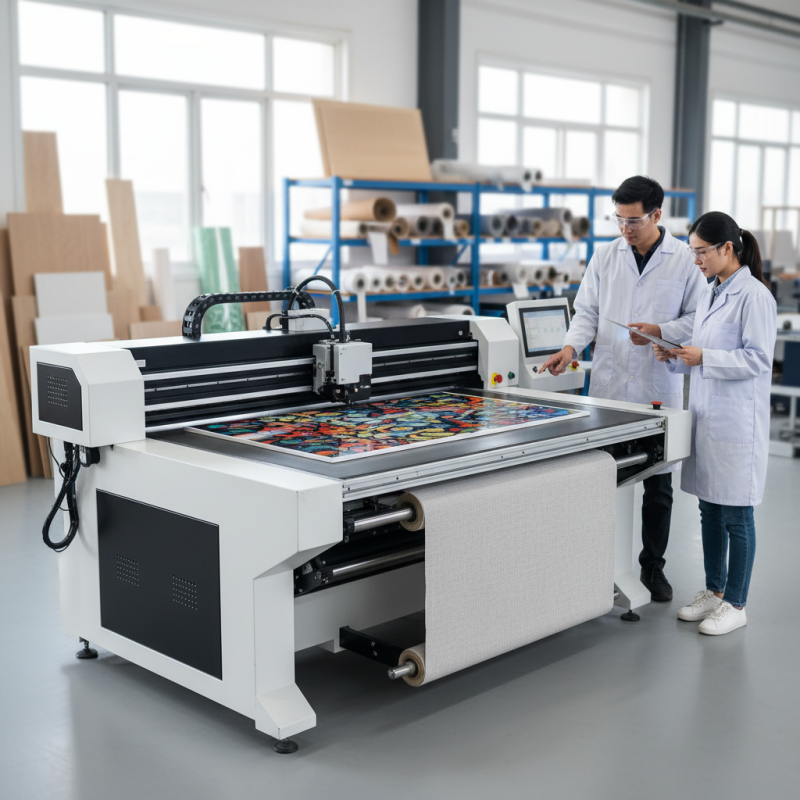
Understanding UV Flatbed Printers and Their Applications
UV flatbed printers have become essential tools for various industries. They allow for direct printing on diverse surfaces like wood, glass, and metal. The flexibility of these printers makes them suitable for several applications, including signage, packaging, and promotional items. According to a recent report by Smithers Pira, the global digital printing market is projected to reach $292 billion by 2025. This growth illustrates the increasing relevance of UV flatbed printers in modern manufacturing.
Understanding the applications of UV flatbed printers can help businesses choose the right equipment. These printers utilize UV light to cure inks instantly. This method results in durable prints that resist fading and scratching. Data from the MarketsandMarkets report indicates that the UV printing market could see a compound annual growth rate (CAGR) of 9.0% during the next five years. This statistic highlights the technology's reliability and broadening appeal.
However, it's crucial to assess your specific needs before purchasing. Not all UV flatbed printers are created equal, and some may not meet your production demands. Consider factors like color accuracy and material compatibility. Investing time in understanding product capabilities can prevent costly mistakes. Balancing these elements is vital for optimizing your printing operations.
Key Features to Consider When Choosing a UV Flatbed Printer
When selecting a UV flatbed printer, several key features should be evaluated to ensure it meets your business needs. One critical factor is the printing resolution. A higher resolution, such as 1440 dpi, can yield sharper images. According to a report from Smithers Pira, the demand for high-quality prints is increasing. Businesses are striving to enhance their product appeal through vibrant and precise visuals.
Another important aspect is the print speed. A robust UV flatbed printer should handle significant workloads efficiently. Some models can print up to 200 square meters per hour. Fast production speeds can dramatically improve turnaround times in a competitive market. However, balancing speed with quality poses challenges. Businesses must decide which is more crucial for their operations.
Material versatility also plays a role in the decision-making process. A good printer should accommodate various substrates, from rigid boards to flexible materials. Adaptability can open new revenue streams but may complicate the workflow. Choosing a printer that offers multiple options can be beneficial. Nevertheless, it is essential to consider whether that added complexity aligns with the company's capabilities and goals.
Key Features Comparison of UV Flatbed Printers
Evaluating Print Quality and Speed for Business Needs
When selecting a UV flatbed printer, evaluating print quality and speed is essential. A high-quality print can make a significant difference in client satisfaction. Look for printers that offer a high resolution to ensure vibrant colors and sharp details. The right balance between these elements can elevate your business image.
Speed is another critical aspect. Many businesses operate under tight deadlines. A printer that can produce high-quality outputs quickly will help you meet your customers’ needs. Consider the printer’s production speed per hour and how it aligns with your workload. However, don’t overlook the importance of consistency in quality. Some models may compromise quality for speed.
Test prints can be revealing, showing you how well the printer performs in real-world conditions. Consider the materials you plan to print on. Each substrate may require specific settings. This necessitates a flexible printer, allowing adjustments to maintain both quality and efficiency. Keep an open mind; sometimes the most expensive printer isn't the best fit for your unique requirements.
Assessing Cost and Budget for UV Flatbed Printer Purchase
When considering a UV flatbed printer for your business, budget is essential. A thorough budget assessment can prevent unexpected expenses later. Evaluate the purchase price first. UV printers can vary significantly in cost. Remember to allocate funds not just for the printer, but for installation, maintenance, and a possible service contract.
Consider the operational costs as well. This includes ink, substrates, and electricity. You might save money upfront, but higher ink consumption could add up over time. If possible, calculate the cost per printed unit. This metric can give you a better understanding of long-term expenses. It’s worth noting that cheaper models may have hidden costs, such as fewer features or less durability.
Think about your business volume too. A higher initial investment may be justified if you have large-scale printing needs. Invest in a model that can handle your anticipated workload efficiently. Skimping on quality or functionality can lead to expensive downtime. Reflect on whether your choice aligns with your business goals and volume expectations.
Maintenance and Support: Ensuring Longevity of Your Printer
Choosing a UV flatbed printer involves not just the initial purchase, but also ongoing maintenance and support. Regular maintenance is crucial for ensuring long-term performance. Research suggests that printers that receive routine servicing can last up to 50% longer than those that do not. Dirty print heads, dust accumulation, and temperature fluctuations can deteriorate print quality over time. Regularly scheduled maintenance can help you avoid these issues.
Support is another vital aspect to consider. According to industry reports, nearly 75% of businesses experience unplanned downtime due to equipment failure. Access to technical support can mitigate the impact of such failures. This is particularly important in fast-paced environments where tight deadlines are commonplace. Ensuring that help is available, whether through remote assistance or on-site technicians, can significantly enhance productivity.
Training your staff is equally important. A well-trained team is less likely to make errors that could lead to costly repairs. Continuous learning about best practices in printer maintenance can keep your operations running smoothly. However, many businesses overlook this need, often resulting in inefficiencies. Prioritizing training can be a game changer for your operations. Investing in both maintenance and training pays off in the long run.
How to Choose the Best UV Flatbed Printer for Your Business? - Maintenance and Support: Ensuring Longevity of Your Printer
| Feature | Importance | Maintenance Tips | Support Options |
| Print Head Maintenance | Critical for print quality | Regular cleaning and alignment | Manufacturer's support hotline |
| Ink Management | Ensures color fidelity | Use genuine inks and track usage | Online troubleshooting resources |
| Software Updates | Enhances functionality | Check regularly for updates | Email support for versions |
| Environmental Factors | Affects performance | Maintain optimal humidity and temperature | Access environmental guidance online |
| User Training | Prevents operational errors | Conduct regular training sessions | Webinars and training videos available |