Why is Circuit Board Fabrication Essential for Your Products?
Circuit board fabrication is a cornerstone of modern electronics. According to the market research report by Fortune Business Insights, the global market for printed circuit boards (PCBs) is projected to reach $83.55 billion by 2027. This growth reflects the increasing demand for advanced electronic devices across various industries. The quality of circuit board fabrication significantly impacts product reliability and performance.
Many manufacturers face challenges during this process. Ensuring precision and adherence to standards is critical. A report by IPC highlights that 77% of manufacturers identify quality as their major concern in PCB production. Without proper circuit board fabrication, products can fail prematurely, leading to costly recalls and damage to brand reputation. This emphasizes the need for expertise and precision in the fabrication process.
In an era where devices shrink yet become more complex, circuit board fabrication is essential. As technology evolves, so does the necessity for skilled professionals in the field. These individuals ensure that devices meet the ever-growing demands of consumers. By addressing these issues, businesses can build trustworthy products and solidify their position in a competitive market.
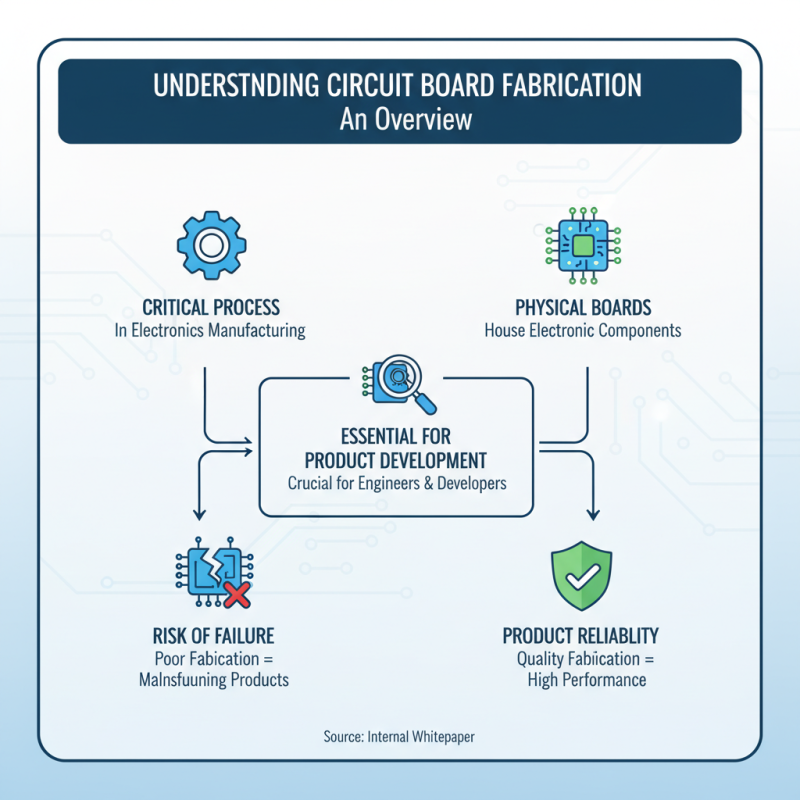
Understanding Circuit Board Fabrication: An Overview
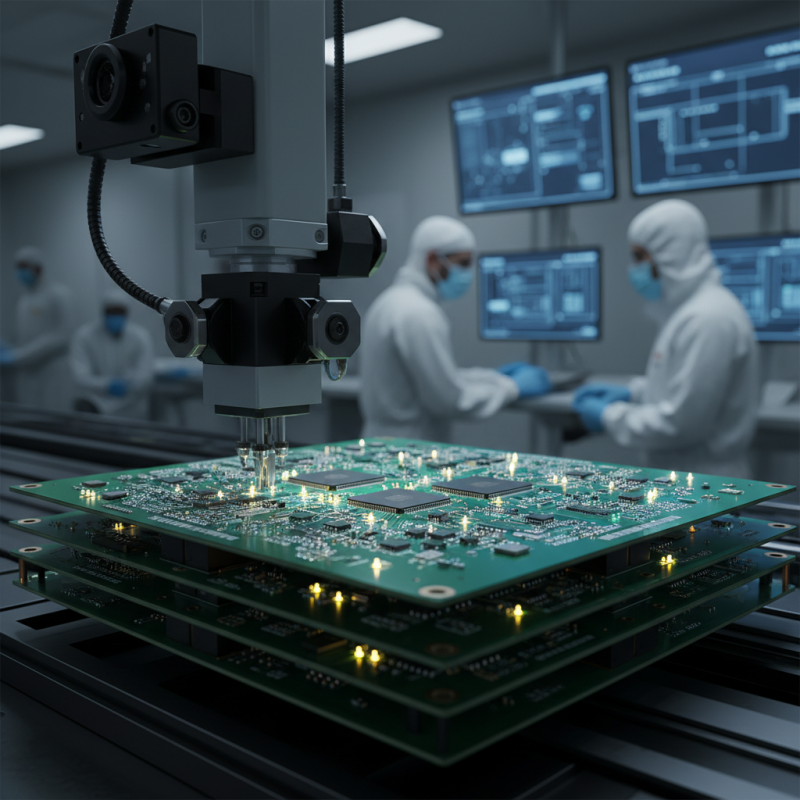
Circuit board fabrication is a critical process in electronics manufacturing. It involves creating the physical boards that house electronic components. Understanding this process is essential for anyone involved in product development. Without a well-fabricated circuit board, products may fail to function as intended. The quality of the fabrication directly impacts product reliability and performance.
The steps in circuit board fabrication include design, material selection, and assembly. Designers use specific software to create accurate layouts. This requires expertise in both electrical engineering and design principles. Choosing the right materials can be challenging. They must meet both performance and cost constraints. Many products use various substrates, each offering different benefits.
Despite advances in technology, imperfections can arise in the fabrication process. For example, micro cracks can form, affecting the board's electrical pathways. Regular inspections are vital, yet they may not catch every flaw. Reflecting on these challenges can help improve future projects, ensuring better designs and manufacturing processes. Each step demands attention to detail, pushing innovators to refine their techniques continually.
The Role of Circuit Boards in Modern Electronics
Circuit boards are the backbone of modern electronics. They enable efficient communication between components in devices ranging from smartphones to medical equipment. According to a report by the IPC, the global printed circuit board (PCB) market is expected to reach $75.7 billion by 2025. This growth highlights the importance of circuit boards in our daily lives.
In addition to facilitating connections, circuit boards contribute significantly to device performance. A well-designed PCB can minimize signal interference and reduce manufacturing costs. Inaccurate designs, however, can lead to product failures. The potential for increased electronic waste due to faulty PCBs cannot be ignored. Engineers must pay close attention to design specifications and testing processes.
Sustainability is becoming a concern in circuit board fabrication. Many manufacturers are exploring eco-friendly materials and production methods. According to a survey by the Consumer Technology Association, 87% of consumers prioritize sustainability in their electronics choices. Embracing these practices can enhance brand reputation, yet the industry faces challenges in fully implementing green solutions. Balancing innovation with responsibility is vital for the future of this sector.
Why is Circuit Board Fabrication Essential for Your Products? - The Role of Circuit Boards in Modern Electronics
| Key Aspect |
Importance |
Impact on Products |
Examples |
| Design Flexibility |
Allows for customized circuitry |
Enables unique functionality |
Smartphones, Tablets |
| Cost Efficiency |
Mass production reduces costs |
Lower retail price for consumers |
Consumer Electronics |
| Durability |
Resistant to wear and tear |
Longer lifespan of products |
Automotive Electronics |
| Miniaturization |
Supports compact designs |
Promotes portability |
Wearable Devices |
| Integration of Technology |
Combines multiple functions |
Enhances usability |
IoT Devices |
Key Processes Involved in Circuit Board Fabrication
Circuit board fabrication is critical in the electronics industry. It involves several key processes that ensure the quality and functionality of electronic devices. Among these processes, photolithography stands out as a cornerstone technique. In photolithography, a light-sensitive photoresist material is applied to the board. This material reveals patterns that define the circuit paths. According to a report by IPC, approximately 40% of defects in circuit boards originate during this phase.
Next, etching plays a vital role in removing unwanted copper. This precise removal is crucial for ensuring electrical conductivity. Failures during etching can lead to short circuits and device malfunction. A study from TechSearch International noted that incomplete etching can reduce board reliability by up to 25%. Finally, solder mask application protects the copper traces. This process prevents oxidation and enhances durability. However, it requires careful control to avoid defects that might compromise performance.
Monitoring these steps and refining processes can improve yield rates. However, many manufacturers still face challenges such as equipment limitations and skill gaps. These factors can affect overall production quality. Emphasizing training and up-to-date technologies is essential. This way, companies can better navigate the complexities of circuit board fabrication.
Importance of Key Processes in Circuit Board Fabrication
Benefits of High-Quality Circuit Board Production
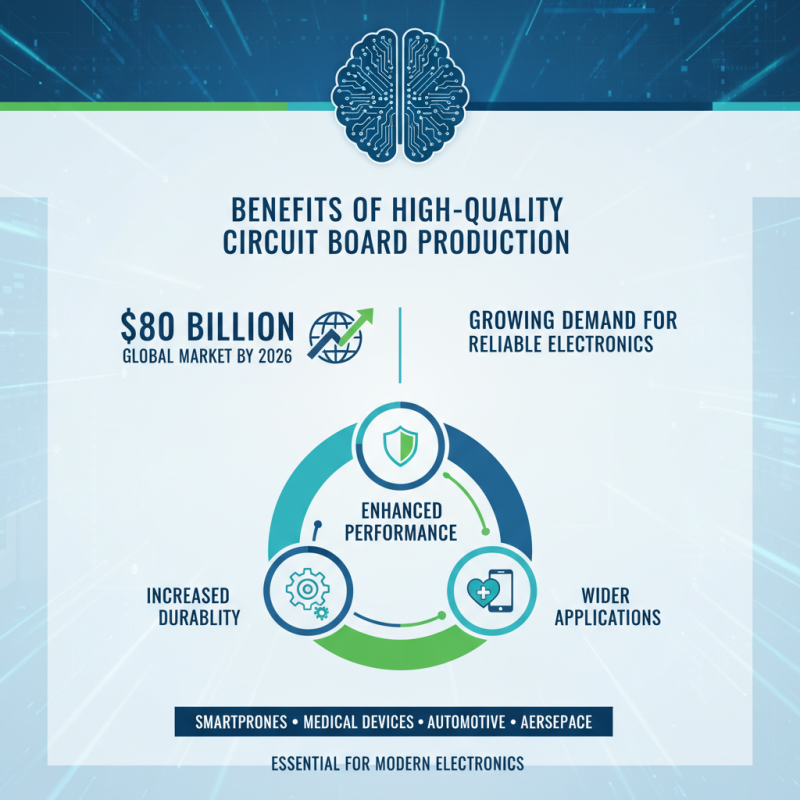
High-quality circuit board production plays a vital role in modern electronics. According to industry experts, the global circuit board market is projected to reach $80 billion by 2026. This growing demand highlights the need for reliable circuit boards. High-quality boards ensure better performance and durability in various applications, from smartphones to advanced medical devices.
One significant benefit of premium circuit board fabrication is enhanced reliability. Research indicates that 35% of electronic failures stem from poor circuit board quality. This reality emphasizes the importance of investing in superior materials and processes. Advanced manufacturing techniques, such as automated soldering and precision etching, significantly reduce the risk of defects.
Moreover, efficient circuit boards contribute to cost savings. Studies show that companies experience a 20% reduction in production costs when using high-quality boards. They demand less maintenance and have a longer lifespan. While high-quality production might come at a higher upfront cost, the long-term benefits often outweigh initial investments. Low-quality boards may cause unexpected expenses, disrupting financial projections and project timelines. Rethinking production standards is an essential step for businesses aiming for sustainability and profitability.
Impact of Circuit Board Quality on Product Performance
The quality of circuit boards directly impacts product performance. High-quality circuit boards ensure reliability and efficiency in electronic devices. When a circuit board is poorly fabricated, it can lead to failures. These failures disrupt functionality and user experience.
For instance, a low-quality board may have insufficient trace widths. This can cause overheating and premature failure. In contrast, well-designed boards with optimal thickness and materials support better heat dissipation. This ensures longevity and stable operation of the product.
Manufacturers often overlook minor flaws during fabrication. Such oversights can lead to significant issues later. Understanding the importance of circuit board quality means recognizing potential risks. More attention to detail can enhance product reliability. Quality control should become a key focus in the fabrication process. Improving this can lead to superior end products.