2026 How to Find the Best E-Motorcycle for Your Needs?
Electric motorcycles, or E-Motorcycles, are transforming the two-wheeler market. With a projected growth rate of over 20% annually, the global E-Motorcycle market is becoming increasingly popular among eco-conscious consumers. Many riders seek alternatives to traditional gas-powered bikes, aiming for better sustainability.
Choosing the right E-Motorcycle can be challenging. Numerous brands offer a wide range of models with varying specifications. Factors such as battery range, charging time, and weight significantly influence performance. A recent industry report highlights that battery technology advancements are critical, with lithium-ion batteries dominating due to their efficiency and lighter weight.
Riders often overlook factors like local charging infrastructure and maintenance accessibility. These can greatly impact the ownership experience. As the market matures, consumer education about E-Motorcycles becomes essential. Understanding your needs and available options is crucial for making an informed decision.
Understanding E-Motorcycle Types: A Comprehensive Guide
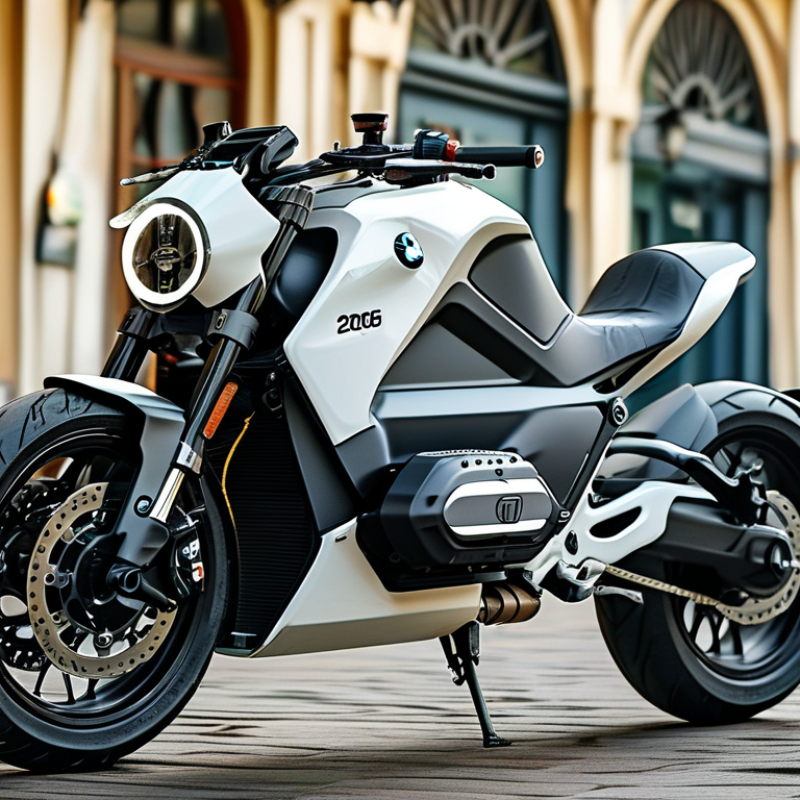
Choosing the right e-motorcycle can feel overwhelming. Different types serve distinct purposes. For city commuting, lightweight models offer agility and convenience. They're perfect for navigating through traffic and finding parking. E-cruisers, on the other hand, provide comfort for longer rides, featuring larger batteries for extended range.
Adventure e-motorcycles cater to off-road enthusiasts. These models typically have rugged tires and robust suspension systems. They can tackle diverse terrains, providing freedom and excitement. It's worth noting how many riders underestimate weight. Heavier models may offer more power, but they can be challenging to handle for less experienced users.
Battery life and charging options are crucial considerations. Some riders may prioritize speed over range, yet they might find themselves frequently searching for charging stations. Understanding trade-offs is essential. Testing various models can help identify what truly matches a rider's needs. Comfort, speed, and versatility all come into play. Finding the ideal e-motorcycle is a personal journey.
Key Specifications to Consider When Choosing an E-Motorcycle
When choosing an e-motorcycle, several key specifications should guide your decision. Firstly, consider the battery capacity. Many models offer batteries ranging from 48V to 72V. A higher voltage often translates to better performance and a longer range. According to a 2022 report by the International Council on Clean Transportation, the average e-motorcycle can travel about 90 to 100 miles on a single charge. This distance, while sufficient for daily commutes, may still leave some riders wanting more.
Next, look at the motor power. E-motorcycles typically range from 3 kW to 20 kW. Motors with higher output provide improved acceleration and can handle hilly terrains better. However, it’s worth noting that higher power can lead to shorter battery life if not paired with the right capacity. In 2023, a survey indicated that 65% of users prioritizing powerful motors sometimes underestimated the importance of effective energy management. This can lead to disappointing range in real-world conditions.
Lastly, don’t overlook safety features. Advanced braking systems, LED lighting, and traction control can enhance your riding experience. A recent study highlighted that e-motorcycles equipped with these features report 30% fewer accidents. Reflecting on these factors will help ensure that you choose an e-motorcycle that not only fits your lifestyle but also prioritizes safety and reliability.
Evaluating Battery Range and Charging Time for E-Motorcycles
When evaluating e-motorcycles, battery range and charging time are critical factors. Many riders want to know how far a bike can go on a single charge. According to a 2022 industry report, the average range of top e-motorcycles currently available is around 100 to 200 miles. However, brands vary widely in performance. Some models may even fall short of these figures, leading to potential inconveniences during longer rides.
Charging time is another significant consideration. Standard models can take 4 to 8 hours for a full charge, depending on battery size and capacity. Fast chargers are available but still require approximately 1 to 2 hours for an 80% charge. This discrepancy can impact travel plans. Riders often find themselves needing to make unplanned stops. A targeted study revealed that about 30% of e-motorcycle owners felt frustrated with charging logistics, questioning if their chosen model met their daily needs.
Selecting the right e-motorcycle demands careful consideration of these factors. Riders should think about their typical usage patterns and charging accessibility. Research indicates that, for urban commuting, average battery capacities of 10 kWh are often sufficient. But for those looking at extended trips, a 20 kWh or larger battery could be necessary. Balancing range and charging time with individual needs is essential.
Comparing E-Motorcycle Performance: Speed, Torque, and Weight
Finding the perfect e-motorcycle involves understanding key performance metrics. Speed, torque, and weight play an essential role in how an e-motorcycle performs. Speed is crucial for highway travel. Most e-motorcycles offer varying top speeds, so check specifications carefully. Torque affects acceleration, helping you get off the line quickly. A higher torque rating is often better for city riding.
Weight impacts handling and stability. Lighter motorcycles are typically easier to maneuver. However, a heavy e-motorcycle may offer better stability at high speeds. Consider your riding style too. Some prefer agility, while others lean towards comfort.
Tips: Assess your needs before selecting. Test ride multiple models to gauge speed and torque firsthand. Pay attention to weight distribution; it influences overall control. Remember, a bike's performance can vary by terrain. Riding styles may need adjustments based on weight and torque. It's vital to balance all these factors for the best choice.
Assessing Cost of Ownership: Price, Maintenance, and Insurance Factors
When considering an e-motorcycle, assessing the cost of ownership is crucial. The price tag often reflects performance, design, and technology. However, initial costs aren’t the only expenses to review. Long-term maintenance plays a significant role in overall ownership costs. Electric bikes typically have fewer moving parts than gas models, resulting in lower maintenance. Yet, neglecting routine checks can lead to higher repair bills.
Insurance costs also vary significantly. Various factors influence these rates, such as your location, riding experience, and the model of your motorcycle. Some models could be more expensive to insure due to their performance or features. It's wise to research quotes from multiple insurers before making a decision.
Tip: Keep a maintenance log. Tracking repairs and services can help identify patterns that may lead to better decision-making regarding your e-motorcycle. Utilize online resources to compare insurance rates. Finding the right coverage can save you money in the long run. It’s a smart move to anticipate and calculate all potential costs before your purchase.