Top Panel Box Features and Benefits for Global Buyers?
In today's global market, the demand for reliable and efficient panel box solutions has surged. Panel boxes serve as critical components in electrical systems, ensuring safety and functionality. Their features range from various sizes and materials to advanced circuit protection technologies. Global buyers seek high-quality panel boxes that enhance performance while meeting specific industry standards.
The benefits of selecting the right panel box can significantly impact operational effectiveness. A well-designed panel box protects electrical equipment and simplifies maintenance processes. Additionally, it allows for better space management, which is essential for growing businesses. However, not all panel boxes are created equal. Some may lack the resilience needed for demanding environments.
As buyers navigate through a plethora of choices, understanding the core features of panel boxes becomes vital. This knowledge helps identify the most suitable options for various applications. Yet, there remains the challenge of balancing cost-effectiveness with quality. Exploring these aspects can lead to more informed purchasing decisions and ultimately, successful project outcomes.
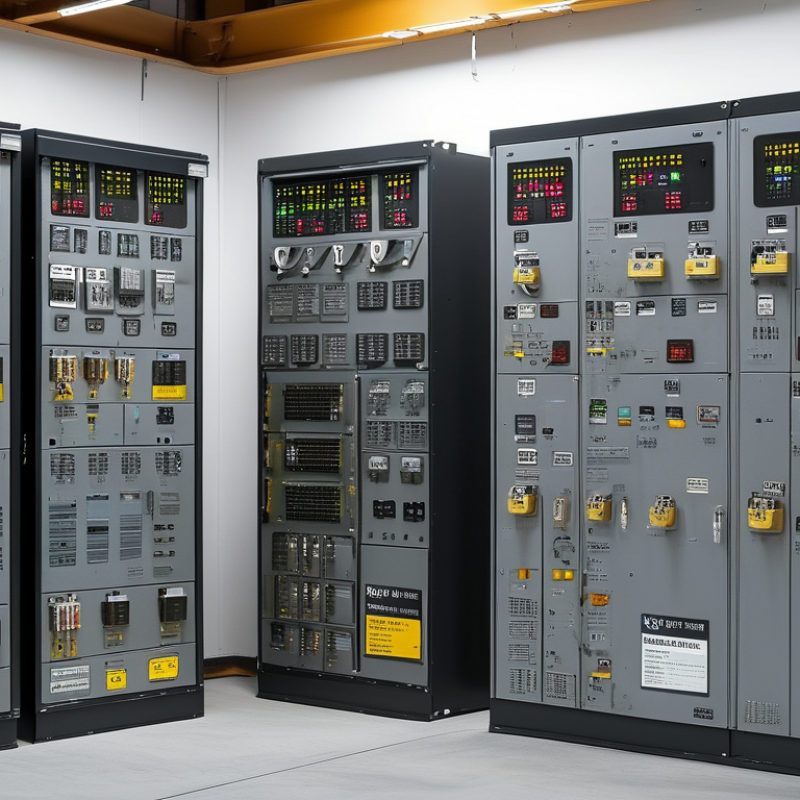
Key Characteristics of Top Panel Boxes for International Buyers
Top panel boxes offer a range of key characteristics that appeal to global buyers. These features ensure functionality and adaptability in various environments. One fundamental aspect is their durability. Constructed from robust materials, they withstand harsh weather conditions. This quality is crucial for buyers in diverse climates.
Another important characteristic is customizability. Buyers often need specific dimensions and configurations. Manufacturers can adapt designs to meet unique requirements. This flexibility not only saves time but also enhances usability for international clients.
Tips: When selecting a top panel box, consider the operational environment. Assess the temperature and humidity levels where it will be used. This understanding will drive informed decisions about materials and designs.
In addition, ease of installation is essential. Efficient setup can significantly reduce downtime. Buyers should look for panel boxes that come with clear instructions. This feature can help prevent mistakes during installation. Not every product meets this requirement, so it's worth investigating.
Tips: Seek user reviews and expert opinions about installation ease. A well-rated product can save you from potential frustrations later.
Understanding the Material Choices for Panel Boxes in Global Markets
When exploring panel boxes in global markets, material choices significantly impact product performance. Common materials include steel, aluminum, and plastic. Each offers distinct benefits and drawbacks. For instance, steel panel boxes provide excellent strength and durability. However, they may suffer from corrosion, especially in harsh environments. On the other hand, aluminum is lighter and resistant to corrosion, making it suitable for various applications.
Recent industry reports indicate that nearly 60% of buyers prioritize durability when selecting panel box materials. The growing demand for eco-friendly options has led to increased interest in recycled materials. These contribute to sustainability and can enhance brand reputation. Plastic panel boxes are increasingly popular due to their lightweight design and chemical resistance. Yet, they may lack the strength required for some industrial applications.
The right material for panel boxes should align with specific needs. Factors include environmental conditions, weight requirements, and intended use. Buyers should also consider the cost implications. While metal boxes might offer longevity, plastic may provide lighter alternatives at a lower initial cost. Balancing these elements is crucial for making informed purchasing decisions.
Top Panel Box Features and Benefits for Global Buyers
Comparative Advantages of Different Panel Box Designs
When considering panel box designs, various options offer unique advantages. For instance, modular panel boxes can be easily customized. This adaptability makes them appealing for diverse applications. Users benefit from tailoring configurations based on specific needs. Many buyers prefer these modular systems due to their flexibility.
In contrast, fixed panel boxes provide durability. They often resist harsh environmental factors. These designs suit industrial settings where reliability is crucial. However, one drawback is their lack of customization. Once established, changes can be challenging. Buyers should weigh potential long-term needs against immediate requirements.
Another popular option is the weatherproof panel box. These are essential for outdoor applications. They protect internal components from moisture and dust. However, they can be more expensive. Users must assess if the investment is justified based on location and usage. Ultimately, understanding these comparative advantages helps buyers choose the right design for their specific applications.
Cost-Efficiency and Durability: A Buyer’s Perspective
Cost-efficiency and durability are crucial considerations for global buyers of top panel boxes. Many manufacturers focus on sourcing materials that provide strength without inflating costs. For example, using composite materials can reduce weight while maintaining structural integrity. This balance allows buyers to minimize shipping costs and enhance longevity.
Buyers often face challenges when assessing product quality. Not every supplier guarantees the same level of durability. Some products may show signs of wear quickly, while others last much longer. Conducting thorough inspections and seeking detailed product specifications can help mitigate risks. Understanding material properties is vital. Buyers should look for certifications that indicate high standards.
Another aspect to keep in mind is market adaptability. Products must meet various regional standards. This can complicate the purchasing process. However, investing time in research can lead to informed decisions. Feedback from other users can reveal valuable insights, ensuring you choose wisely.
Environmental Impact and Sustainability in Panel Box Manufacturing
The environmental impact of panel box manufacturing is a critical consideration for global buyers. According to recent industry reports, the production of electrical panel boxes accounts for a significant percentage of industrial waste. Companies are now challenged to adopt sustainable practices to reduce their carbon footprint. A report from the International Energy Agency indicates that manufacturing processes can generate up to 1.2 tons of CO2 emissions for every ton of product produced.
Sustainability in this sector often involves using recyclable materials and energy-efficient manufacturing techniques. Many manufacturers are focusing on alternative materials, such as recycled plastics and sustainable metals. The Global Sustainability Report cited that implementing recycled materials could reduce environmental impact by 30%. However, the transition to more sustainable practices requires investment and innovation, which not all companies can afford.
Moreover, the supply chain plays a crucial role in sustainability. Sourcing materials from local suppliers can decrease transportation emissions. Yet, maintaining quality while prioritizing eco-friendly options can be a balancing act. There are ongoing debates about the efficacy of certain ‘green’ certifications, which some critics argue may not provide a clear picture of sustainability efforts. It's essential that companies reflect on their practices and strive for transparency in their environmental claims.
Top Panel Box Features and Benefits for Global Buyers
| Feature | Benefit | Environmental Impact | Sustainability Practices |
| Lightweight Design | Easier handling and transportation | Reduces carbon footprint during transport | Use of recyclable materials |
| Modular Construction | Flexible configurations for various applications | Minimizes waste through efficient design | Enhanced product lifecycle management |
| Weather Resistance | Long-lasting durability in harsh conditions | Less frequent replacements reduce waste | Implementing eco-friendly coatings |
| Integrated Smart Technology | Improved monitoring and operational efficiency | Energy savings contribute to lower environmental impact | Promotes energy-efficient usage |
| Safety Features | Enhanced protection for users and equipment | Lower accident rates reduce environmental hazards | Adoption of non-toxic materials |