Best PCB Design Tips for Global Buyers?
In the ever-evolving world of technology, the demand for reliable and effective PCB design continues to grow. As global buyers, understanding how to design PCB effectively is crucial. The process may seem daunting, especially for those new to electronics. However, with the right strategies, it becomes more manageable.
Designing PCB requires attention to detail and a solid grasp of electrical principles. Mistakes can lead to costly delays, making it essential to follow best practices. Each step, from schematic capture to layout, can profoundly affect performance. Small errors in design can lead to significant issues later.
Communication with suppliers can be another challenging aspect. Global buyers must ensure they clearly articulate their needs. Technical specifications can sometimes be misunderstood, leading to unsuitable products. Therefore, sharing precise documentation is vital to avoid misunderstandings. When buyers actively engage, it fosters a better working relationship and enhances design quality. Overall, the journey to successful PCB design is ongoing and full of learning opportunities.
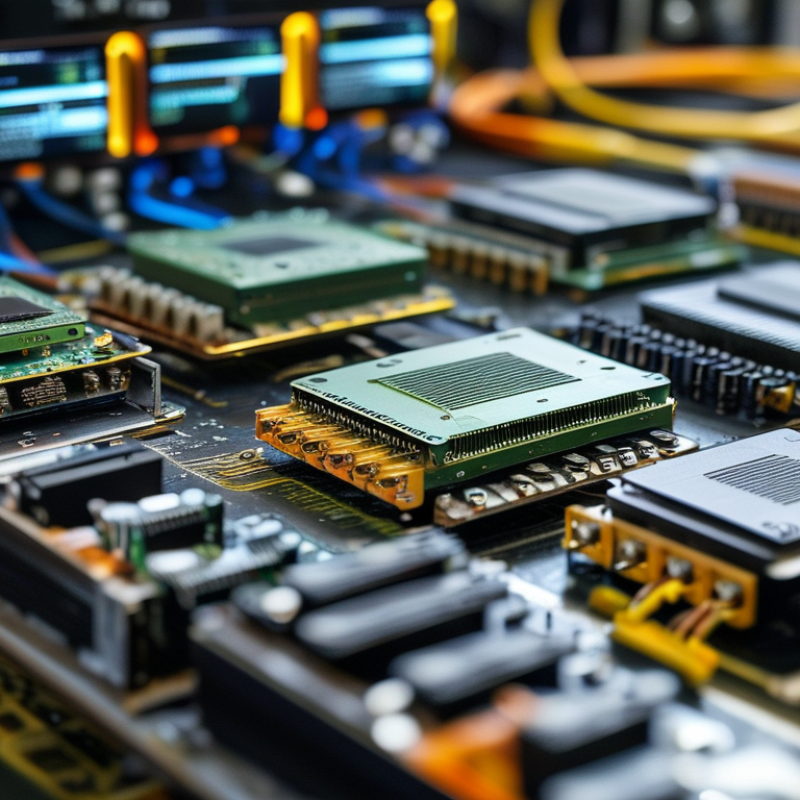
Understanding PCB Types and Their Applications in Global Markets
When exploring PCB types for global markets, it's crucial to understand their specific applications. There are diverse PCB types such as single-sided, double-sided, and multilayer boards. Each type serves different needs, from basic consumer electronics to complex industrial machines. For example, single-sided boards are simpler and often cheaper. They work well in low-volume products. Multilayer boards, on the other hand, accommodate more complex circuits. They are essential in high-performance applications.
Diversity in PCB design is evident when we consider materials too. Common options include FR-4 and CEM-1, each with unique properties. FR-4 is popular for a wide range of applications due to its reliability. However, it may not be the best for high-frequency devices. This nuance highlights the need for careful selection. Buyers should consider environmental factors, such as operating temperatures and moisture resistance.
Another important factor is the market trend. Emerging technologies, such as IoT and AI, require more sophisticated PCBs. This could pose challenges for manufacturers who aren't ready to adapt. They must reflect on their capabilities and trends to remain competitive. Continuous learning and improvement are vital in this ever-evolving landscape. Exploring different PCB types and their applications is an ongoing process that requires expertise and attention to detail.
Key Design Considerations: Layer Count, Material Selection, and Cost
When designing printed circuit boards (PCBs), several key considerations will enhance the final product. Layer count is crucial. More layers can improve functionality but also increase complexity. Evaluate your needs carefully. A two-layer PCB might suffice for simple applications, while multi-layer designs are essential for advanced electronics.
Material selection impacts durability and performance. Choose materials based on the specific environment. For instance, FR-4 is common but might not be suitable for high-frequency applications. Be prepared to explore alternatives if special conditions exist. Check thermal and electrical properties before making a decision.
Cost should also be considered. Higher quality materials and intricate designs can escalate expenses. Seek a balance between quality and budget. A high price doesn’t guarantee reliability. Always verify suppliers' credentials and past performance. Look for reviews and case studies to guide your choices. Reducing costs without sacrificing quality is possible but demands diligence and research. Always remain open to feedback and iterate on designs when necessary. This approach helps optimize PCB designs for global markets.
Importance of DFM (Design for Manufacturing) in PCB Production
Design for Manufacturing (DFM) plays a crucial role in PCB production. Leveraging DFM principles can significantly streamline the manufacturing process and improve product quality. According to a report by IPC, improperly designed PCBs can lead to a staggering 30% increase in production costs. Companies should prioritize DFM to counter these financial impacts.
Integrating DFM in the design phase can minimize production issues. For instance, revising trace widths or optimizing component placement can reduce assembly time. A survey revealed that 80% of engineers noted fewer design iterations when DFM practices are applied. This reflects a greater alignment between design intent and manufacturing capabilities.
It’s essential to recognize that not all designs adhere to DFM principles. Some designs overlook manufacturing constraints, leading to potential delays. Engineers must continuously revisit their designs and seek feedback from manufacturing teams. This collaborative approach can highlight areas of improvement and ensure efficiency in production. As the complexity of PCBs increases, failing to embrace DFM could result in costly errors.
Evaluating PCB Manufacturers: Certifications and Quality Assurance Metrics
When evaluating PCB manufacturers, certifications play a vital role. Look for ISO certifications, which indicate adherence to international standards. These certifications ensure the manufacturer meets quality and reliability benchmarks. Additionally, IPC standards are crucial for assessing their design and assembly processes.
Quality assurance metrics should not be overlooked. Request detailed reports on defect rates and testing procedures. Manufacturers should provide real-time data on production quality. However, not all manufacturers can maintain consistent quality. It’s important to consider customer reviews and case studies.
Production capabilities are equally significant. Assess their ability to handle diverse designs and materials. Some manufacturers might excel in high-volume production but falter with small batches. Be wary of those that promise extreme turnaround times without clear evidence. Transparency in capabilities fosters trust and reliability.
Best PCB Design Tips for Global Buyers - Evaluating PCB Manufacturers: Certifications and Quality Assurance Metrics
| Manufacturer Location |
Certifications |
Quality Assurance Metrics |
Lead Time (Days) |
Minimum Order Quantity |
| North America |
ISO 9001, IPC-A-610 |
First Pass Yield: 98% |
10 |
5 pcs |
| Europe |
ISO 9001, CE Mark |
Defect Rate: < 0.5% |
15 |
10 pcs |
| Asia |
ISO 9001, IPC-6012 |
Customer Complaints: 10/month |
7 |
50 pcs |
| Southeast Asia |
ISO 9001, IPC-A-600 |
Production Rework Rate: 2% |
20 |
100 pcs |
Trends in PCB Technology: Innovations Shaping Future Designs
The PCB landscape is rapidly evolving, driven by technological advancements and market demands. Recent reports show that the global PCB market is projected to reach $82 billion by 2027, highlighting significant growth potential. Innovations in materials, such as high-density interconnect (HDI) and flexible PCBs, are shaping designs that meet the needs of compact electronics.
One notable trend is the increasing use of AI in PCB design. AI tools can optimize layouts and simulate performance, potentially reducing development time by up to 30%. However, this reliance on technology raises concerns. While AI improves efficiency, it may also overlook nuanced design challenges that experienced engineers typically catch. Continuous human oversight remains crucial.
Moreover, sustainability is becoming a major focus. Eco-friendly materials and energy-efficient manufacturing processes are gaining traction. Industry data indicates that companies adopting green practices see a 20% boost in market competitiveness. Nonetheless, transitioning to sustainable practices can pose challenges. Cost implications and sourcing problems may hinder progress. Addressing these issues requires a collaborative effort across the supply chain.