Choosing the right Transformer Substation is crucial for efficient power distribution. An effective transformer substation ensures reliability and safety in energy transmission. With numerous options available, it can be overwhelming to decide which one suits your needs.
Each transformer substation presents unique specifications and capabilities. Understanding these details is vital. Many overlook the importance of expert advice during the selection process. Professionals can guide you to the best choice based on your specific requirements.
The placement of the transformer substation also matters significantly. Factors such as environmental impact, ease of access, and load requirements must be considered. This decision can affect overall efficiency and maintenance costs. Investing time in research is essential. Seeking insights from industry experts will lead to informed decisions, enhancing your project's success in the long run.
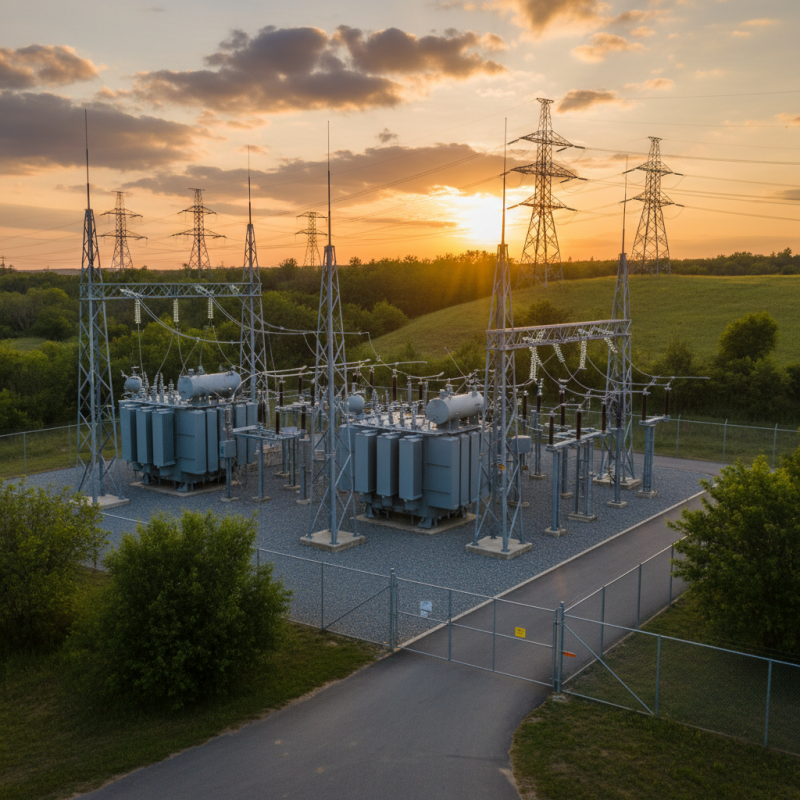
Transformer substations play a crucial role in electrical systems. They ensure that electricity is safely distributed from generation points to consumers. Understanding their purpose helps in making informed decisions. A transformer substation reduces high voltage electricity to usable levels for homes and businesses.
These facilities are essential for system reliability. They protect against overloads and equipment damage. A well-designed substation includes transformers, switchgear, and protective devices. The layout impacts operational safety and efficiency. Space must be allocated for maintenance and expansion if needed.
Selecting the right substation involves evaluating several factors. Consider location, accessibility, and environment. The substation's design must meet local regulations and safety standards. Aesthetic concerns may also arise, especially in urban areas. Existing infrastructure can influence your choices. It's important to remain flexible and open-minded during the planning phase. Every decision shapes the overall effectiveness of the electrical distribution network.

When evaluating the location for a transformer substation, several critical factors come into play. Proximity to existing power lines is essential. This reduces construction costs and minimizes disruption during installation. Additionally, consider the accessibility of the site for maintenance and emergency responses. If a location is hard to reach, it can lead to delays and increased operational costs.
Environmental impact is another vital consideration. Substations should not disturb local ecosystems. Assess potential effects on wildlife and water sources. It’s crucial to conduct environmental studies before finalizing a site. Community response can also affect the project. Engaging with local residents and stakeholders can help identify concerns that may arise later. Understanding community perspectives can lead to smoother approvals and better project outcomes.
Finally, climate factors play a role. Locations with extreme weather may require additional infrastructure to protect equipment. Flood zones or areas prone to wildfires need careful scrutiny. Each site varies, and there are no one-size-fits-all solutions. Reflecting on these aspects can significantly contribute to a successful transformer substation project.
When selecting a transformer substation, evaluating the technical specifications is crucial. Start by assessing voltage ratings. A transformer must meet the voltage needs of your facility. This ensures efficient power distribution. Look at the kVA rating as well. It informs you about capacity. A mismatch can lead to performance issues or even failure.
Consider the installation environment as well. Factors such as temperature and humidity can affect transformer performance. Proper insulation and cooling systems are essential. Pay attention to the transformer's short-circuit withstand strength too. Underestimating this can lead to severe problems during overload situations.
Review the substation's maintenance requirements next. Some transformers require more upkeep than others. Regular inspections can prevent costly downtimes. However, if maintenance is too demanding, it might affect reliability. In the end, understanding these specifications leads to informed decisions. Imperfections in your understanding can significantly impact performance. Prioritize knowledge and preparedness for lasting success.
| Tip | Description | Key Considerations |
|---|---|---|
| 1. Assess Site Conditions | Evaluate the physical environment, including terrain, accessibility, and space. | Soil type, flood risk, and proximity to existing infrastructure. |
| 2. Determine Capacity Requirements | Calculate the load requirements based on current and future needs. | Peak load, growth forecast, and diversity factors. |
| 3. Select Proper Transformer Rating | Choose a transformer with a rating that meets load and efficiency standards. | Efficiency, losses, and derating factors. |
| 4. Evaluate Safety Protocols | Ensure safety features comply with local regulations and industry standards. | Grounding, overcurrent protection, and emergency procedures. |
| 5. Consider Maintenance and Upkeep | Plan for regular maintenance and assess the ease of access to equipment. | Maintenance schedules, available manpower, and tool access. |
When choosing a transformer substation, safety standards and regulations are essential. Compliance ensures the safety of operations and workers. Start by understanding local guidelines. Each region may have specific rules regarding installation and maintenance. Failing to comply can lead to serious consequences.
Look for certifications that indicate adherence to safety practices. Reliable stations often include safety features like circuit breakers and grounding systems. These systems help prevent accidents. Inspect the design thoroughly. Poor design can create hazards that are easily overlooked.
Engaging with professionals can offer invaluable insights. They can highlight potential issues in your selection process. Keep in mind that not all choices are optimal. Reflect on past errors to avoid repeating them. Safety is paramount. Prioritize it when making your decisions.
When choosing a transformer substation, cost and maintenance are vital considerations. The upfront cost can vary significantly based on size and technology. It's essential to evaluate initial expenses alongside potential future expenses. Planning for long-term maintenance can help mitigate unexpected costs later on.
Regular maintenance is critical for maximizing the lifespan of a transformer substation. It often requires a dedicated budget and trained personnel. Neglecting this aspect can lead to inefficiencies and costly repairs. Assessing your team's expertise is also crucial; skilled maintenance staff can prevent many issues before they arise.
Moreover, it’s important to reflect on how changes in energy demand can impact costs. Fluctuating energy needs may require upgrades or expansions. These long-term projections can help in making informed decisions now. Balancing immediate costs against future needs offers resilience in a dynamic energy landscape.