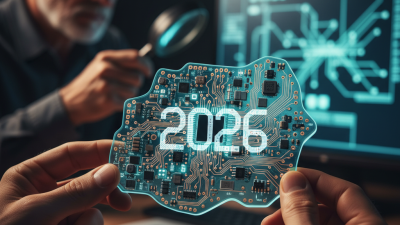
2026 Top Electronic Board Innovations and Trends to Watch Out For?
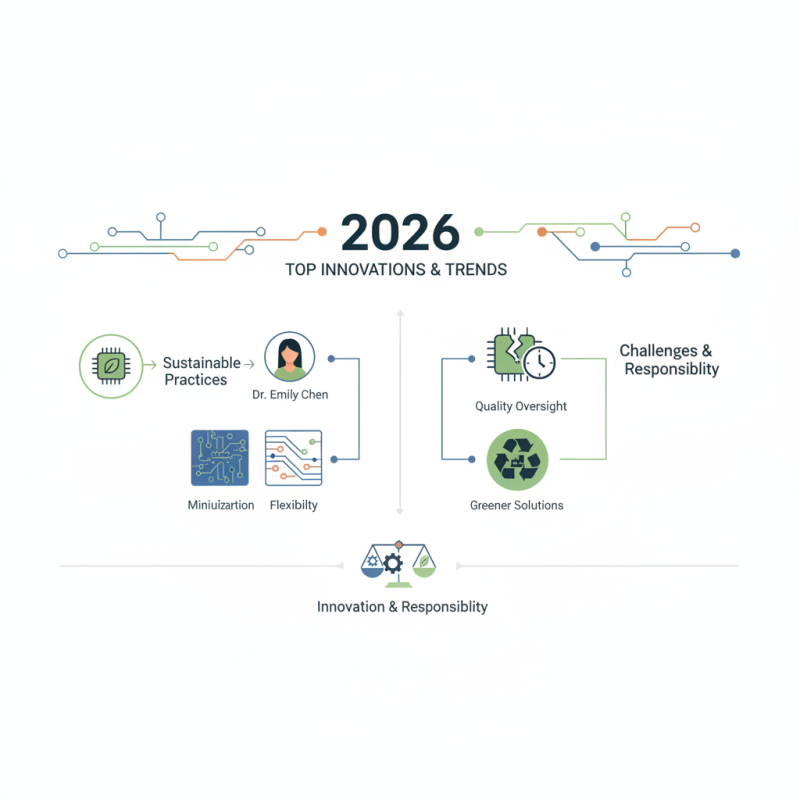
In recent years, the electronic board industry has seen remarkable advancements. Experts like Dr. Emily Chen, a leading figure in electronics innovation, noted, "The future of electronic boards is bright, but we must embrace sustainable practices." This statement reflects the industry's growing emphasis on eco-friendly technologies.
As we approach 2026, several trends are emerging in electronic boards. Miniaturization is a key focus. Boards are becoming smaller while increasing functionality. This trend offers exciting possibilities for the tech industry. Moreover, flexibility is gaining traction. Flexible electronic boards can adapt to various applications and surfaces. This opens doors for new innovations in consumer gadgets.
However, challenges remain. The rapid pace of change can lead to oversights in quality. Some manufacturers rush their products to market, sacrificing durability. This can result in wasted resources and consumer dissatisfaction. Industry players must balance innovation with responsibility. The move towards greener solutions is essential, but it needs careful implementation.
Emerging Technologies in Electronic Board Design for 2026
The landscape of electronic board design is evolving rapidly. In 2026, emerging technologies will play a crucial role in shaping new trends. One key focus will be the integration of artificial intelligence. AI can enhance design efficiency and accuracy. Boards will become smarter, adapting to user needs.
Another innovation to look for is the rise of flexible electronic boards. These boards can bend and conform to various surfaces. This adaptability opens doors for wearables and other exciting applications. However, challenges like durability and production costs need addressing.
3D printing technology will also influence electronic board design. It allows for rapid prototyping and customization. Designers can create unique shapes and functionalities. Yet, how this affects the overall production process remains a question. Each innovation brings its own set of hurdles and implications for future development.
Sustainability and Eco-Friendly Materials in Electronic Boards
As we approach 2026, sustainability is becoming crucial in electronic board innovations. Manufacturers are increasingly exploring eco-friendly materials. Biodegradable plastics and recycled metals are gaining traction. These materials can reduce the environmental footprint of electronic components. However, sourcing these eco-friendly alternatives is still challenging. Many producers are stuck with traditional materials due to cost and availability.
The transition to sustainable materials may not be seamless. Some green options may lack the same performance as conventional materials. This can lead to concerns about durability and reliability in harsh environments. Engineers and designers must carefully consider these trade-offs. There is a constant push for innovation without compromising performance. This balancing act is ongoing and requires thoughtful solutions.
Moreover, consumer awareness is growing. People demand more transparency about materials used in electronics. They are increasingly informed and expect brands to prioritize sustainability. Yet, the industry faces a dilemma. While pursuing greener practices, some companies might cut corners or mislead consumers. This could hinder genuine progress. Clear communication about material sourcing and production methods is essential for building trust and ensuring a greener future.
Advancements in PCB Manufacturing Processes and Techniques
The world of PCB manufacturing is evolving rapidly. Innovations are transforming processes and techniques. Designers are now focusing on advanced materials. These materials can enhance performance while reducing costs. Printed Circuit Boards (PCBs) are becoming lighter and more efficient. This shift is significant for portable devices.
New techniques are emerging, such as additive manufacturing. This method allows for more complex circuit designs. It minimizes waste and can save time. However, it requires a skilled workforce. The gap in expertise can slow down adoption. Companies need to invest in training and development.
Sustainability is another pressing concern. Manufacturers are exploring eco-friendly materials. The goal is to reduce environmental impact. But some options might compromise performance. This balance remains a challenge. The industry is at a crossroads, weighing benefits against potential drawbacks. As trends unfold, continuous reflection and adaptation will be crucial.
2026 PCB Innovations and Trends
Integration of AI and IoT in Electronic Board Applications
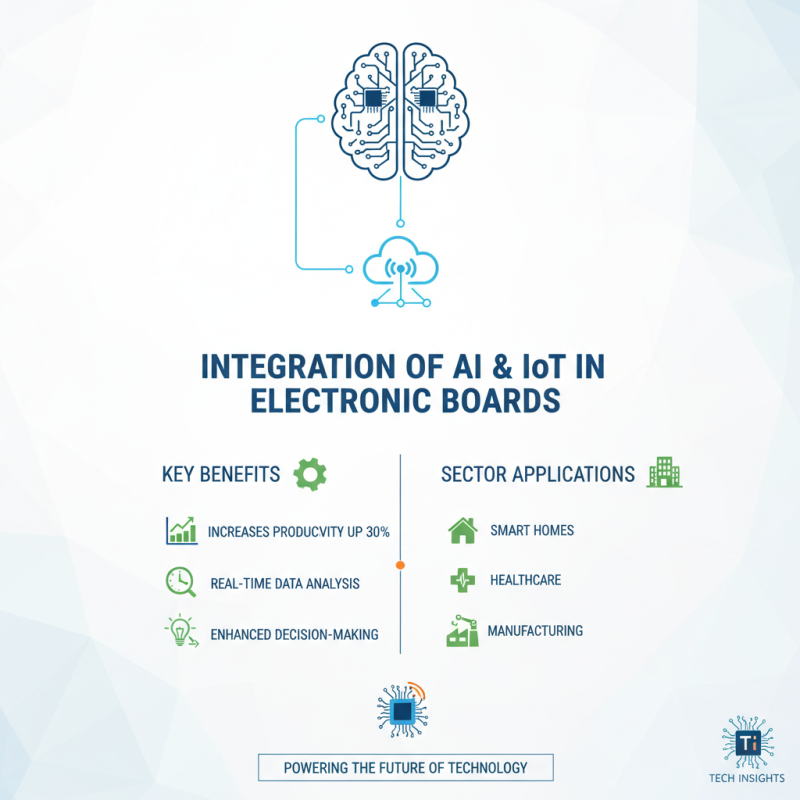
The convergence of AI and IoT in electronic board applications is transforming industries. According to a recent report, the integration of these technologies can increase productivity by up to 30%. This shift is evident in smart homes, healthcare, and manufacturing sectors. Electronic boards equipped with AI can analyze data in real-time, enhancing decision-making processes.
In smart homes, AI-driven electronic boards optimize energy use. They learn users’ habits and adapt settings for comfort and efficiency. In healthcare, AI-powered boards monitor patient vitals, predicting emergencies before they happen. A study indicates that such innovations can reduce hospital readmission rates by 20%. However, data privacy remains a concern. Striking a balance between innovation and security is crucial.
Tip: Embrace the learning curve. Familiarize yourself with AI algorithms to enhance IoT interfaces.
The market is indeed promising, but challenges exist. Implementing AI in electronic boards demands skilled personnel. The growing demand for skilled workers creates a talent gap. Investing in training programs can help bridge this gap.
Tip: Collaborate with educational institutions to foster innovation and skill development.
As AI and IoT continue to evolve, the synergy between them will likely deepen. Anticipating this integration can help businesses stay ahead in a competitive landscape.
Future Trends in Flexibility and Miniaturization of Electronic Boards
The future of electronic boards is driving trends in flexibility and miniaturization. Reports indicate that the flexible printed circuit board market is expected to grow at a compound annual growth rate (CAGR) of over 10% from 2023 to 2028. This growth is aligned with the increasing demand for lightweight and compact devices. Flexibility enhances design possibilities. It allows for creative shapes and layouts, especially in wearables and IoT devices.
Miniaturization is not just about size; it’s about efficiency. Recent industry studies show that smaller electronic boards consume less power and improve performance. For instance, microcontrollers have shrunk dramatically. They now fit into spaces previously thought impossible. Yet, challenges persist. Balancing size with durability often leads to trade-offs in reliability. Moreover, integrating new materials for flexibility cries out for more research and innovation.
The convergence of these trends presents a fascinating landscape. Additionally, flexible boards often lead to unexpected complications in production. Manufacturers face hurdles in maintaining quality at reduced sizes. As trends evolve, the industry must confront these imperfections while pushing for breakthroughs. The race for more adaptable electronic solutions continues, but clarity amidst complexity remains essential.
2026 Top Electronic Board Innovations and Trends to Watch Out For
| Trend |
Description |
Impact |
Year of Adoption |
| Flexible Circuit Boards |
Boards that can bend and twist, allowing for new application designs. |
Increased design possibilities, reduction in weight. |
2024 |
| Miniaturization Techniques |
Advancements that enable smaller components on boards. |
More compact devices, improved portability. |
2025 |
| Advanced Materials |
Usage of new materials for better performance and sustainability. |
Higher thermal and electrical efficiency, eco-friendly options. |
2026 |
| 3D Printed PCBs |
Utilizing 3D printing technology to create circuit boards. |
Reduced lead times and costs, customization capabilities. |
2025 |
| Embedded Components |
Incorporating components directly into the PCB structure. |
Saves space, enhances functionality. |
2026 |