Top 10 PCB Board Assembly Services in China for Global Buyers?
The global demand for PCB board assembly services has surged in recent years. As industries evolve, efficient and reliable assembly becomes crucial for the success of electronic products. Many buyers seek trustworthy partners in China, home to some of the best PCB manufacturers.
Navigating the competitive landscape of PCB board assembly can be daunting. With numerous options available, understanding the strengths and weaknesses of each provider is essential. This guide highlights the top 10 PCB board assembly services in China, offering insights into their capabilities and industry reputation.
While many companies promote their services, not all deliver on their promises. Buyers must assess quality, lead times, and customer support. Sometimes, a low price tag masks potential risks. Identifying a suitable PCB board assembly service can be challenging but is vital for achieving high-quality production at scale.
Top PCB Board Assembly Companies in China: An Overview of Market Leaders
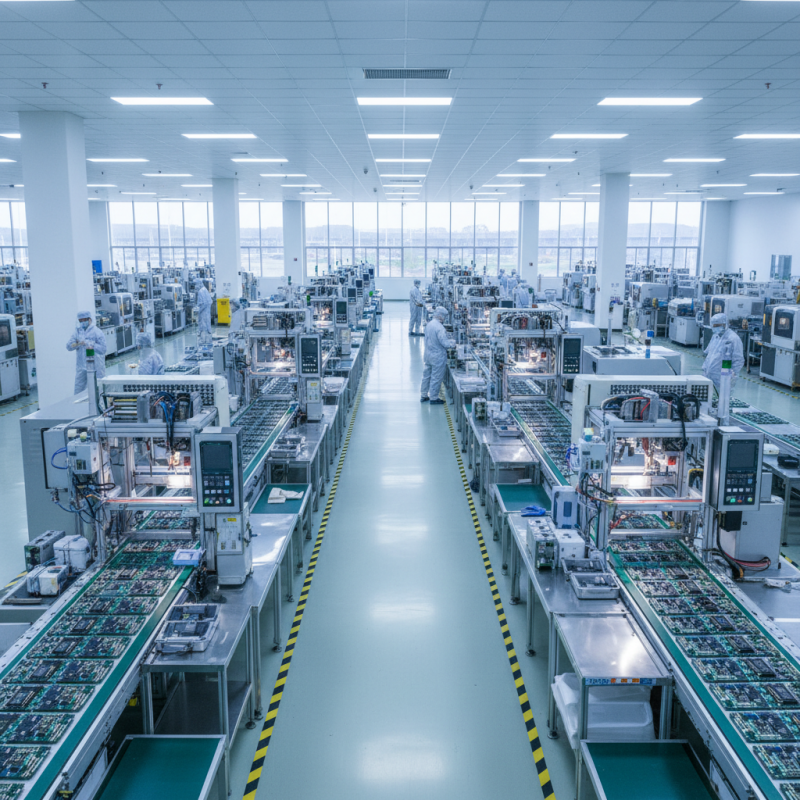
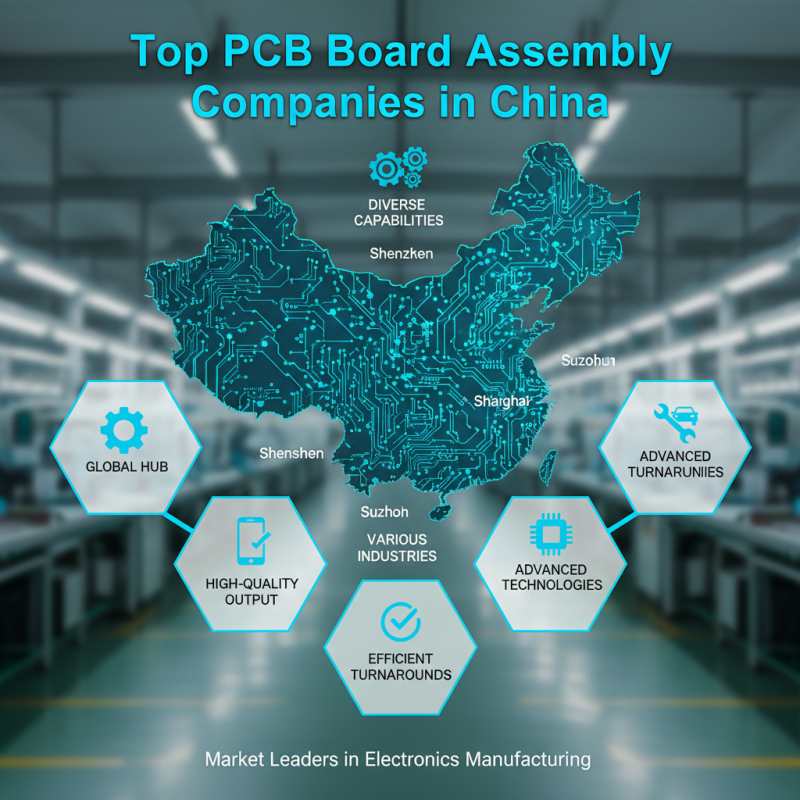
China is a global hub for PCB board assembly services. Many companies excel in this field, showcasing diverse capabilities. These firms cater to various industries, from consumer electronics to automotive. The expertise of these companies is evident in their advanced technologies and skilled workforce. High-quality product output is a notable characteristic, along with efficient turnaround times.
While many companies claim to offer superior services, not all meet expectations consistently. Some may struggle with communication, which can lead to misunderstandings. Quality control processes vary significantly among providers. It’s essential for buyers to thoroughly research potential partners. Evaluating customer reviews and service history can provide insights into reliability. A company that has weathered challenges shows resilience and commitment.
Furthermore, the landscape is constantly evolving. Emerging technologies, like automation and AI, influence manufacturing processes. Companies that adapt emerge as leaders. However, the rapid pace of change can create gaps in expertise. Continuous learning and improvement remain crucial for sustained success. Selecting a PCB assembly service is not merely about cost. It’s about finding a partner who understands your vision and can help bring it to life.
Criteria for Evaluating PCB Assembly Services: Key Metrics for Buyers
When evaluating PCB assembly services, buyers must focus on several key metrics. Quality control is critical. Look for companies with robust testing protocols. This includes Automated Optical Inspection (AOI) and X-ray inspections. These processes ensure that defects are caught early, minimizing costly errors later.
Another important aspect is turnaround time. Timeliness can significantly impact project deadlines. Research service providers' average lead times. Some may promise quick delivery, but verify their track record. Communication is also vital. A reliable assembler will provide regular updates and be responsive to inquiries.
Finally, consider the flexibility of the service. Can they accommodate design changes late in the process? This adaptability is a sign of a mature operation. Transparency about costs is equally important. Hidden fees can ruin a budget, so ask for detailed quotes. All these criteria help ensure that you choose a reliable PCB assembly partner.
Top 10 PCB Board Assembly Services in China for Global Buyers
This chart illustrates the key metrics for evaluating PCB assembly services in China. The metrics include Quality, Cost, Lead Time, and Customer Support, which have been rated on a scale of 1 to 10 based on industry standards and buyer insights.
Comparative Analysis of PCB Assembly Costs in China vs. Other Markets
PCB assembly costs in China have become a focal point for global buyers seeking competitive manufacturing solutions. Recent data shows that companies can save between 30% to 50% on assembly costs in China compared to North America and Europe. This significant cost advantage is due to lower labor costs and established supply chains. For instance, the average cost per unit in China can be as low as $0.20, whereas similar assemblies in North America may reach $1.00 or more.
However, there are variables that can complicate this cost analysis. Quality control is one of the critical factors to consider. While costs may be lower, the risk of subpar quality exists. According to industry reports, 25% of PCB assemblies from China may fail initial quality tests. Buyers must invest time in evaluating potential assembly partners and their quality assurance practices. Reliability needs to be prioritized, as a poor-quality product can lead to significant losses.
Transportation and hidden fees may also impact overall costs. Though assembly might be cheaper, shipping charges can add unexpected expenses. A detailed financial breakdown is essential to ensure all costs are accounted for. Without careful planning, companies may find that their savings are diminished by unforeseen charges. Ultimately, navigating the PCB assembly landscape in China requires a balanced approach to expertise and cost-effectiveness.
Impact of Technological Innovations on PCB Assembly Quality and Efficiency
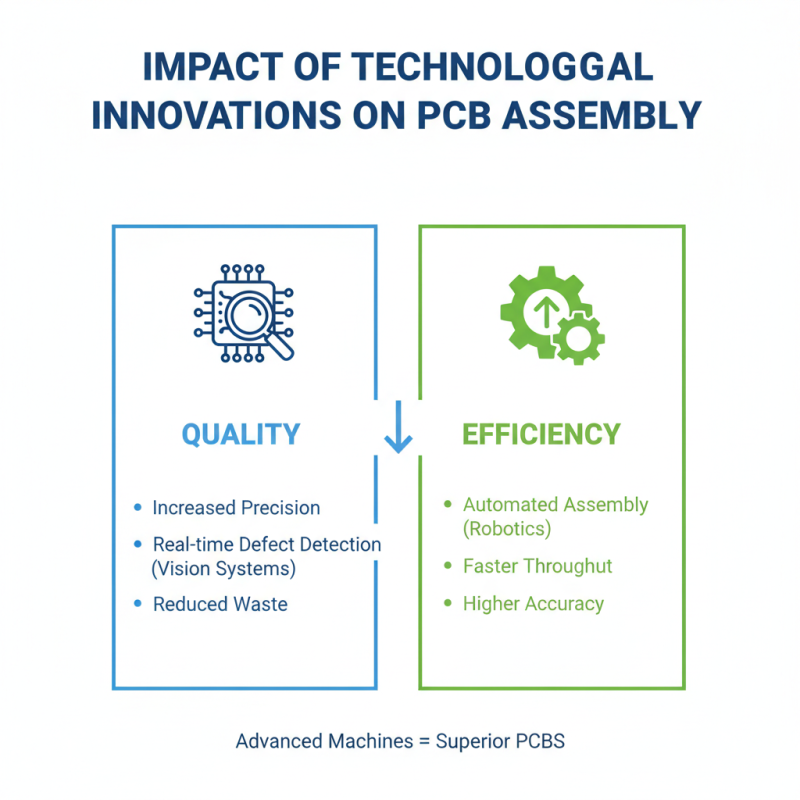
Technological innovations are reshaping the PCB assembly process in significant ways. Advanced automated machines are now capable of completing tasks that once required human skill. This has led to increased precision during assembly, which enhances overall product quality. For instance, vision systems in machines can detect defects in real-time. This immediate feedback reduces waste and ensures higher accuracy.
However, not all innovations have been flawless. Some new technologies require extensive training, which can slow down initial production rates. Workers might struggle to adapt to complex machinery, leading to errors. Moreover, as machines take over multiple tasks, the need for human oversight remains critical to address unexpected issues. Balancing automation with human expertise is essential for optimal results.
Efficiency is another area impacted by technological advancements. Rapid prototyping tools enable quicker turnarounds, allowing for faster adjustments and improvements. This flexibility benefits manufacturers and clients alike. Yet, increased speed can sometimes lead to overlooking finer details. Investing in quality control processes is crucial to maintain high standards. Even with technology, human supervision and strategic planning are vital for achieving exceptional PCB assembly outcomes.
Trends in PCB Assembly Services: Sustainability and Customization in 2023
In 2023, the demand for sustainable practices in PCB assembly services is booming. Many companies are shifting towards eco-friendly materials and processes. This is influenced by global environmental concerns. Clients increasingly seek suppliers who prioritize sustainability. It is crucial for manufacturers to adapt to this trend. Reducing waste and energy consumption is not just beneficial for the planet; it enhances brand reputation too.
Customization is another rising trend in the PCB assembly industry. Buyers want tailored solutions to meet specific needs. This demand for personalization drives innovation in design and manufacturing processes. However, achieving true customization is challenging. It requires advanced technology and skilled labor. Many companies still struggle to balance high quality with rapid production. Some may face limitations due to equipment or expertise.
Navigating these trends successfully requires ongoing reflection. Outdated practices may hinder growth in today’s market. PCB assembly services must remain agile and responsive. Embracing change is necessary for competitiveness. As businesses focus on sustainability and customization, they must invest wisely in technology and training.