Electronic Contract Manufacturing Service Provider in California

What Are the Top Types of Aluminum Solar Rails?

Choosing the right mounting hardware starts with the roof, not the catalog. Aluminum Solar Rails support solar modules and transfer their loads to roof attachments. Their profile, thickness, and allowed span affect how a system fits together. Small differences matter.

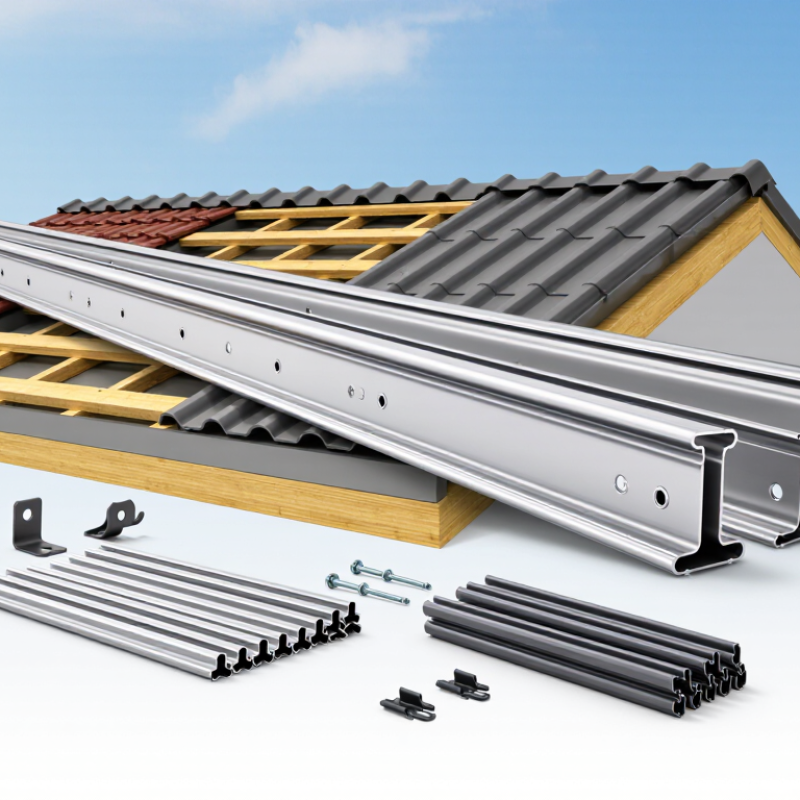
Common options include full-length standard rails, compact mini rails, and rail systems designed for specific roof types. Standard rails offer flexible attachment points along their length. Mini rails use shorter sections and may suit certain metal roofs, but their compatibility depends on the roof and module layout. Some systems use specialized profiles or fewer rail components. “Rail-less” designs are another category, though they still rely on mounting components that secure modules to the roof.

No single type is best for every project. A rail that looks sturdy in a catalog may not suit a particular roof, wind exposure, or module arrangement. Check manufacturer specifications for spans, clamps, fasteners, and compatible roof attachments. The installer should also account for local design conditions and the roof’s structural capacity. These details are less exciting than a sleek panel. They are more important.

This guide compares the main types of Aluminum Solar Rails and explains where each may fit. It looks at profile shape, installation considerations, material properties, and potential trade-offs. The goal is not to pick a winner by appearance. It is to help readers ask better questions and verify that the chosen system matches the project. Even a careful comparison has limits; final selection should follow the product documentation and site-specific engineering.
What Are the Top Types of Aluminum Solar Rails?

Understanding the Role of Aluminum Solar Rails

Aluminum solar rails form the structural link between photovoltaic modules and a roof or ground-mounted support system. They hold modules at a defined spacing and transfer gravity, wind, and snow loads to attachment points. They also help keep panel rows aligned. Small details matter: a poorly positioned clamp can create uneven pressure or leave a module less securely supported.

The scale makes dependable mounting important. IEA PVPS’s Snapshot of Global PV Markets 2024 reported more than 1.6 terawatts of cumulative solar PV capacity worldwide by the end of 2023. That figure does not measure rail quality, but it shows how widely mounting hardware is used. Rail profiles vary, including conventional framed rails and low-profile designs; the right choice depends on module dimensions, roof geometry, local loading, and installation method. Check the manufacturer’s engineering data and the project’s structural requirements.

Aluminum is light and naturally forms a protective oxide layer, but it is not maintenance-free. Contact with incompatible metals, trapped moisture, or loose fasteners can still cause problems. I would inspect joints and attachment points, especially after severe weather. Easy to overlook. Rails also support cable routing and bonding, though those functions must follow the equipment instructions. A tidy installation helps, but neatness alone does not prove structural adequacy.

How Rail Designs Differ in Shape and Load Capacity

What Are the Top Types of Aluminum Solar Rails?
How Rail Designs Differ in Shape and Load Capacity

Aluminum solar rails commonly use open-channel, T-slot, or box-like profiles. Open channels are light and easy to access during installation. T-slots allow clamps and bolts to slide along the rail. Box-like sections use more enclosed shapes to resist bending and twisting. Shape matters.

A deeper profile can often span farther than a shallow one, but depth alone does not determine safe capacity. Wall thickness, alloy, rail length, and attachment points all affect performance. Under wind or snow loads, rails may bend between roof anchors. Excessive deflection can strain module frames or loosen connections over time.

Check the span. Compare the rail’s engineering data with the project’s expected loads and anchor spacing. A short rail section supported often may behave differently from a long, lightly supported run. Load tables should specify the profile and installation conditions, not just a maximum load. One easy mistake is choosing a rail by appearance; two similar shapes can have different wall thicknesses and stiffness. During planning, account for roof unevenness and the actual clamp positions, too. Those details are easy to overlook, and they can change how loads travel through the assembly.

Standard, Mini, and Heavy-Duty Aluminum Rail Types

Standard, mini, and heavy-duty aluminum rails serve different roof conditions. Standard rails suit many pitched-roof arrays, balancing span, stiffness, and handling. Mini rails use shorter sections and fewer continuous runs, but their limited adjustment can make layout errors harder to fix. Heavy-duty rails support longer spans or higher design loads. They are not automatically safer: fasteners, roof structure, and local wind and snow loads still govern. Rail labels also vary by supplier, so compare engineering tables rather than names alone.

The IEA PVPS Snapshot of Global PV Markets 2025 estimates that global PV capacity additions reached 553–601 GW in 2024. That scale makes repeatable installation important, but it does not make one rail suitable for every roof. NREL’s U.S. Solar Photovoltaic System and Energy Storage Cost Benchmarks treats mounting hardware as a distinct system cost component. That is a useful reminder: a lighter rail may save material, yet extra attachments or installation time can offset the gain.

Tips: Check the rail’s tested span, clamp compatibility, and load tables against the actual roof plan. Measure twice.

One detail is easy to overlook: rail deflection can affect module alignment even when the rail remains within its strength limit. For standard rails, verify support spacing. For mini rails, confirm attachment placement before drilling. For heavy-duty rails, check whether the roof framing can carry concentrated loads. Record the chosen rail, fastener type, and spacing; field notes can prevent costly guesswork later.

Rail Systems for Different Roofs and Mounting Conditions

On asphalt-shingle roofs, standard aluminum rails usually span between flashed attachments fixed into roof framing. Rail span and attachment spacing must suit the module layout, roof structure, and local wind and snow loads. On standing-seam metal roofs, seam clamps can hold rails without roof penetrations, but only when the clamp matches the seam profile. Small details matter.

Tile roofs often need hooks or replacement flashing that preserve the tile’s weather seal; forcing a tile flat can cause cracking. Corrugated metal roofs use profile-matched brackets, while flat roofs may use tilted rail frames secured with ballast or structural anchors. Each approach changes roof loading and wind exposure.

1,118 GW
of potential capacity
1,432 TWh
of annual generation

NREL’s 2016 U.S. rooftop technical-potential assessment estimated these figures. They describe resource potential, not rail performance, but they reflect the wide range of roofs designers must accommodate.

A layout that works on one roof may not suit the next. Check the roof structure, waterproofing details, and mounting-system engineering documents before choosing rail length or spacing.

How to Choose the Right Aluminum Solar Rail

Choosing an aluminum solar rail starts with the roof, not the product photograph. In field inspections, I have seen installers select rails by appearance and regret it later. A rail must match module dimensions, mounting points, span length, and expected wind or snow loads. Check the published load tables and installation drawings. Guesswork is expensive.

For most pitched roofs, standard slotted rails offer flexible positioning and simple adjustment. Short rail systems can reduce material on compact layouts, but they demand accurate measurements. Heavy-duty profiles suit longer spans or higher loads, while low-profile rails may reduce visual height. These categories overlap. That matters. A lighter profile is not automatically weaker, and a thicker rail is not always better. Compare section shape, alloy temper, wall thickness, and certified test data.

Confirm compatibility with roof attachments, module frames, splices, clamps, and grounding hardware. For coastal or humid sites, corrosion-resistant finishes and compatible fasteners deserve close attention. Allow for thermal expansion, especially on long continuous runs. I once underestimated roof irregularity; the rail layout needed more shims than expected. A site survey would have prevented that mistake. Use engineering guidance, then have a qualified professional verify the final layout. Record rail spans, attachment spacing, and torque values before installation.